Reply To:
Name - Reply Comment
 229,661 teachers nationwide, 114,034 are “Trained Graduates,” while 85,296 are “Trained” non-graduates
By Huzefa Aliasger
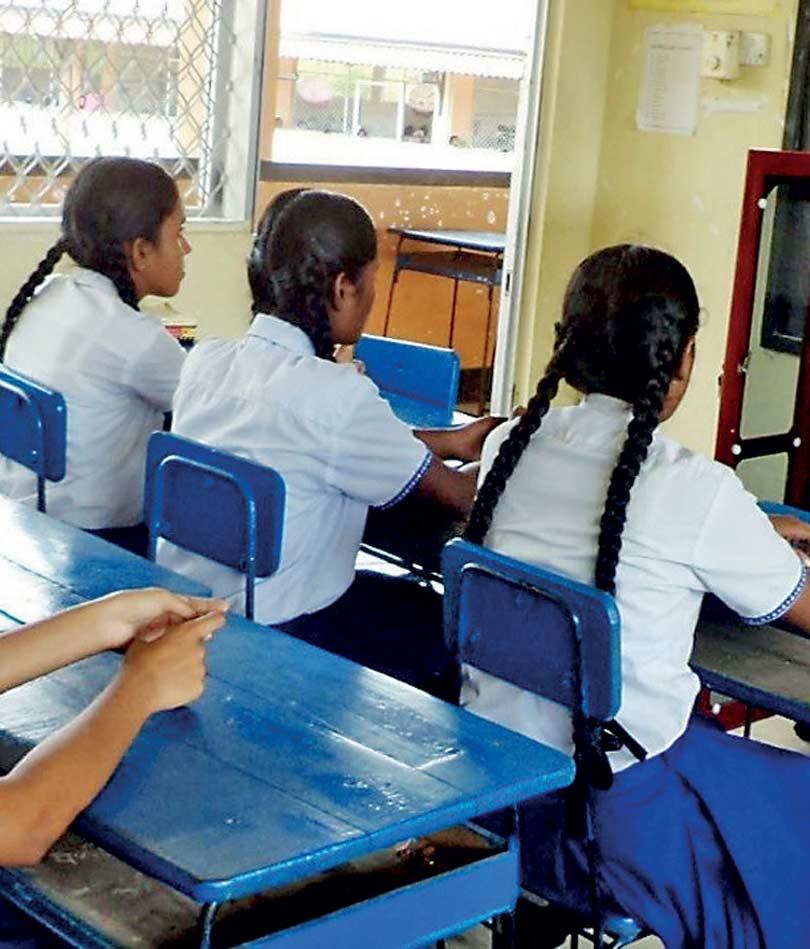 Sri Lanka’s 2025 public school census shows a big difference in how teachers are spread across the country. While the national average is one teacher for every 16 students, the actual experience in a classroom depends mostly on the type of school a child attends according to statistics from the Department of Census and Statistics (DCS).
The problem is most visible in primary schools. Classified by the DCS as “Type 3” schools, which only teach up to Grade 5, handle over 580,000 children with a relatively small staff of about 34,000. In contrast to the large “1AB” schools, the urban colleges that offer science subjects have a much larger workforce of over 82,000 people to manage their students.
Reports from the DCS suggest that the gap between students and teachers vary according to region. In plantation estates, over 168,000 students attend schools that have only 12,807 staff members. While Sri Lanka’s overall numbers look better than India’s (where there are about 26 students per teacher), the 2025 data shows that rural and estate schools are still struggling.
The report states that out of 229,661 teachers nationwide, 114,034 are “Trained Graduates,” while 85,296 are “Trained” non-graduates. Women make up the majority of this force, with 180,975 female teachers compared to just 48,686 male teachers. For primary “Type 3” schools 83 percent of the staff is female.
The census identifies 6,157 schools teaching exclusively in Sinhala and 2,977 teaching in Tamil. A smaller, specialized group of 40 trilingual schools and roughly 839 schools with bilingual (English-medium) options also exist to meet modern curriculum needs.