 CHATURANGA PRADEEP SAMARAWICKRAMA
 Reply To:
Name - Reply Comment
 Around 200,000 people living in the vicinity threatened
Mannar a world recognized migrant bird corridor
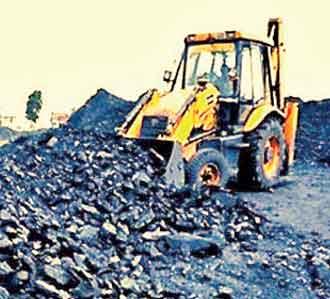 A doctors’ trade union has raised serious concerns that the continuous burning of low-grade coal at the Lakvijaya Power Plant in Norochcholai could threaten the health of nearly 200,000 people living in surrounding areas.
Specialist Dr. Chamal Sanjeewa of the Doctors’ Trade Union Alliance for Medical and Civil Rights warned that coal being used at the plant may contain ash levels as high as 25 percent far above the recommended 10 percent limit. He said health risks sharply increase when ash content exceeds 20 percent.
According to him, around 5,000 people live within a five-kilometre radius of the plant, including residents of Norochcholai, Paniyadiya and Narakkaliya. Another 10,000 people live within the next five kilometres, covering Kalpitiya and Puttalam. In total, nearly 200,000 people across 26 Grama Niladhari divisions could be affected.
Dr. Sanjeewa warned that fly ash and bottom ash released from coal plants can cause breathing problems such as asthma. Long-term exposure to heavy metals, he said, may increase the risk of lung cancer, heart disease, high blood pressure and stroke. He said that pregnant women and children are at higher risk. Possible health effects include miscarriages, low birth weight, premature births, lung problems and eye diseases.
Calling the situation alarming, he urged health authorities to immediately begin health screening programmes at the Medical Officer of Health (MOH) level in affected areas. He also warned that the economic damage from using poor-quality coal could be much greater than the money saved by buying it.
Meanwhile, the Ceylon Electricity Board Engineers’ Association described the situation as “very serious.” The association said nearly 40 percent of Sri Lanka’s annual electricity demand is supplied by the Norochcholai coal power plant, which adds more than five billion units of electricity to the national grid each year.
They said coal procurement has been handled by Lanka Coal Company (Private) Limited since the plant began operations, and claimed that no such large-scale import of substandard coal had been reported before.
The association demanded that those responsible for any financial losses to the Ceylon Electricity Board and electricity consumers be clearly identified and dealt with under the law. They insisted that losses should not be calculated by internal committees alone but through a transparent and independent technical assessment.
They also warned that no pressure should be placed on employees of the power plant who come forward to reveal information, stressing that strict professional action would be taken if any interference occurs.