Reply To:
Name - Reply Comment
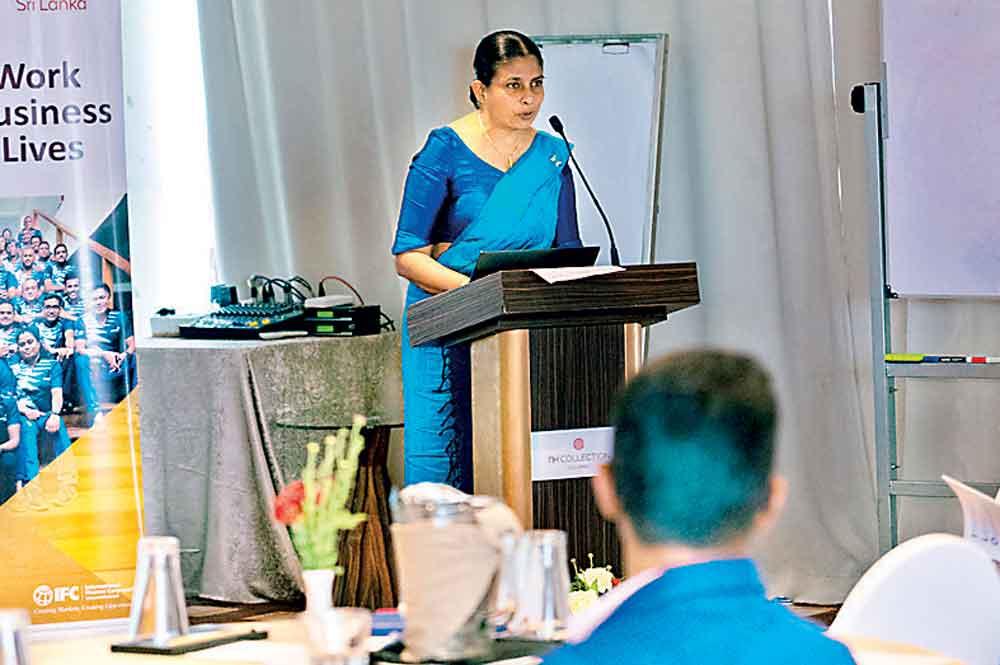
Darshani Karunarathne
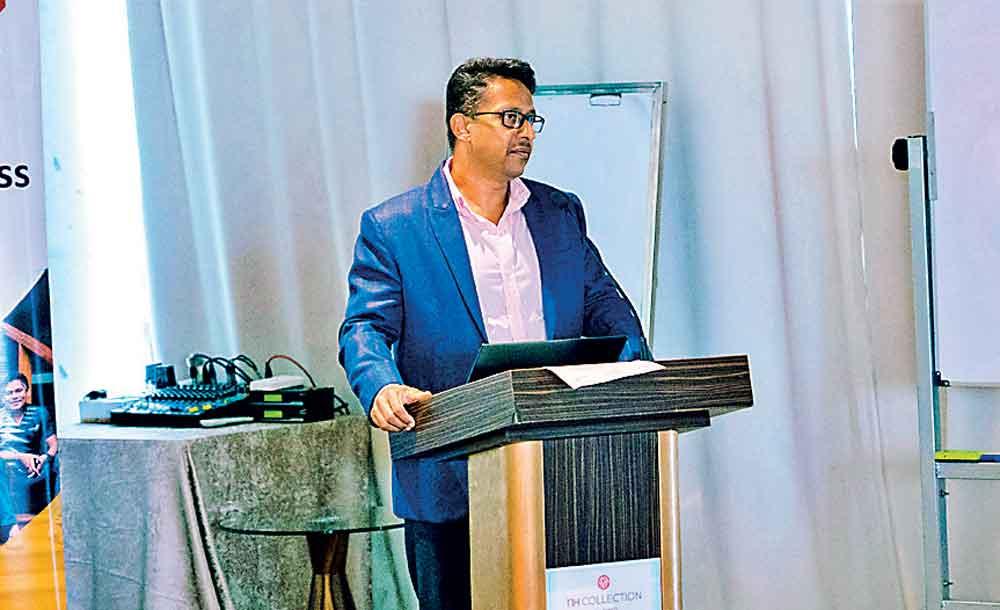
Indika Liyanahewage
A diverse group of stakeholders from Sri Lanka’s apparel industry convened recently at NH Collection Colombo for a national workshop focused on validating an inclusive apparel manufacturing curriculum tailored for persons with disabilities (PwDs).
The attendees represented the vocational training institutes, Social Services Department, Vocational Training Authority, Tertiary and Vocational Education Commission, Employers’ Federation of Ceylon’s disability resource centre, organisations for PwDs and international development agencies.
Titled ‘Inclusive Threads: Validating Apparel Manufacturing Curriculum at Vocational Training Institutes’, the workshop marked a key milestone in an initiative supported by the International Labour Organisation (ILO) to promote inclusive skill development and decent work for all. The revised curriculum — centred on the Industrial Sewing Machine Operator (ISMO) course — aims to offer accessible, industry-relevant training that empowers PwDs to secure employment within one of Sri Lanka’s most vital export sectors.
Social Services Department Director Darshani Karunarathne stated, “Skill training is the bridge to opportunity. For persons with disabilities, having access to industry-aligned courses can transform lives and open doors to sustainable livelihoods,” she said.
Joint Apparel Association Forum Executive Committee Member Indika Liyanahewage said, “For Sri Lanka’s apparel industry to remain globally competitive, we must ensure that no one is left behind. A curriculum that combines accessibility with market-driven skills is essential to building a future-ready workforce.”
“As an industry that touches the lives of nearly a million Sri Lankans, we believe in growth that includes everyone. This initiative represents a powerful step forward in bridging opportunity gaps and ensuring that persons with disabilities have the tools and training to thrive. We are proud to support a future where inclusivity is not an aspiration — but a standard.”
The ILO, which has played a critical technical and facilitative role in the development of the curriculum, was represented through the involvement of Manoja Polwatte, an external collaborator to the organisation. In her detailed presentation, she walked the participants through the revisions made to the ISMO course — highlighting the integration of inclusive teaching methodologies, equipment adaptations and structured pathways for learner progression.