Reply To:
Name - Reply Comment
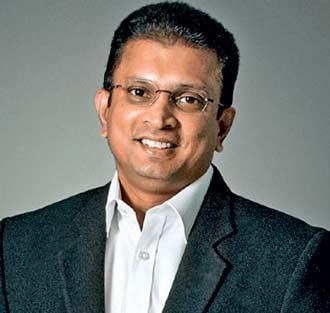
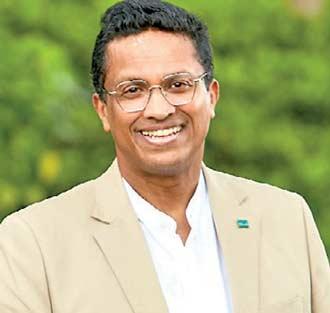
Rathika de Silva Supun Weerasinghe Dilhan C. Fernando 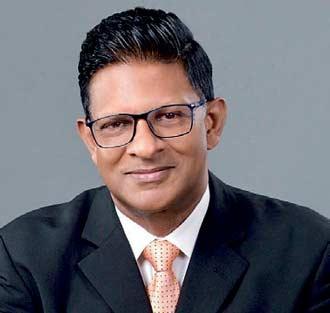
On the invitation of United Nations Secretary-General António Guterres, three representatives from UN Global Compact Network Sri Lanka (Network Sri Lanka) are participating in the 2025 United Nations Private Sector Forum (PSF), a high-level roundtable that brings together a select group of global private sector leaders to drive forward sustainable economic growth as a high-level convening during the UN General Assembly Week in New York.
Representing Sri Lanka at this year’s forum are:
They joined a distinguished group of 50 global corporate CEOs, government leaders, UN Principals and UN Secretary-General in New York on September 22, to discuss how private sector finance and investments can be mobilised for sustainable, inclusive growth.
A critical year for collective action
The 2025 UN Private Sector Forum takes place at a pivotal moment for the world economy and the global development agenda. The year 2025 marks:
This year is also significant as it will see a series of major international milestones, including the fourth International Conference on Financing for Development, Food Systems Summit, World Social Summit and COP30. Each of these processes spotlights the urgency of forging stronger partnerships between the private sector and multilateral institutions to achieve a just transition and ensure long-term economic resilience.
Global challenges, local relevance
The forum will convene during a period marked by climate disruption, rapid technological transformation, economic uncertainty and heightened geopolitical tensions. These forces are reshaping how economies grow, how businesses operate and how communities adapt.
As the UN Secretary-General emphasised in his recent special address, this is a moment of great opportunity which must be seized across all stakeholder groups—through increased investments in energy infrastructure and high-tech solutions, modernised trade and investment agreements, reforms to the global financial architecture and by ensuring that while we work quickly toward a green energy transition, we are also delivering equity, dignity and opportunity for all.
This call to action is being echoed by the private sector. The upcoming 2025 UN Global Compact–Accenture CEO Study reveals that 66 percent of CEOs remain strongly committed to the Sustainable Development Goals (SDGs). CEOs are increasingly refusing to wait for perfect conditions; instead, they are acting despite uncertainty, recognising that delay heightens risk and erodes long-term value. The study highlights a clear shift in mindset: sustainability is no longer treated as a compliance burden but as a driver of profitability, innovation and resilience.
For Sri Lanka, a nation navigating its path toward economic stabilisation and sustainable recovery, the relevance of this conversation is profound. The participation of Network Sri Lanka’s leadership at the PSF highlights the country’s recognition that private capital, innovation and corporate responsibility must be central to rebuilding resilience and unlocking growth opportunities.
Sri Lanka at table
Network Sri Lanka’s representation at the PSF demonstrates the growing visibility of the country’s private sector in multilateral decision-making spaces.
It reflects a recognition that Sri Lankan companies, while operating in a small market, play a vital role in addressing the challenges that transcend borders – from sustainable agriculture and food systems to digital inclusion and climate adaptation.