Reply To:
Name - Reply Comment
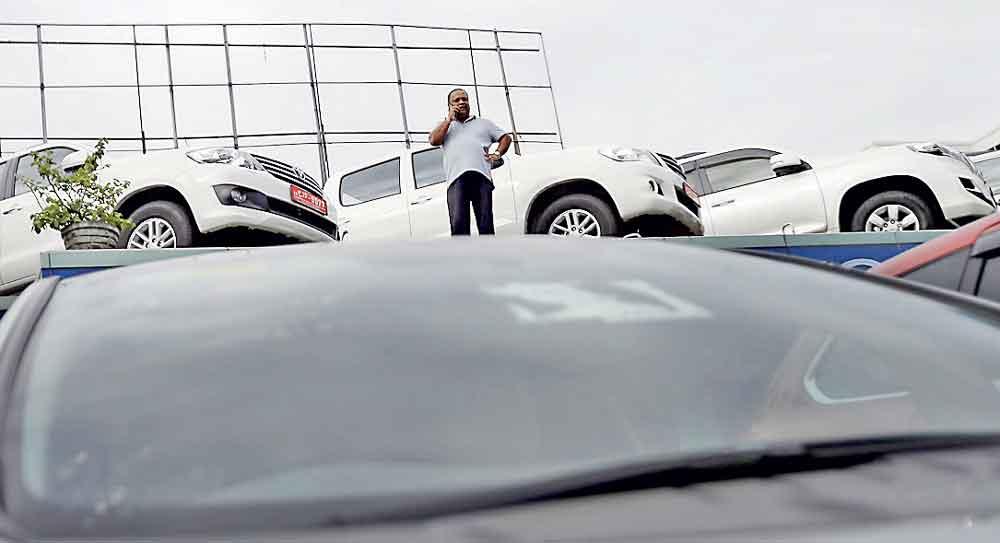
Reuters photo
Sri Lanka has seen about US $ 450 million worth of letters of credit (LCs) opened for the importation of vehicles in the few months since the years-long ban was lifted in February this year, the Central Bank said.
However, the imports were around US $ 200 million during this period, it added.
Sri Lanka lifted the suspension on vehicle imports in several phases over a period of a few months, with the remaining suspension on private vehicle imports being taken off in February.
At the time of lifting the ban and amid the concerns on possible pressure on the country’s balance of payment and thereby the rupee, the Central Bank said under the circumstances, it is comfortable with spending up to US $ 1.2 billion of foreign currency for vehicles in 2025.
At the current pace, Sri Lanka could end up in fact spending around that level by the year end for vehicle imports.
Despite the expectations for tepid imports of vehicles, due to the hefty duties on vehicles, which sent their prices soaring, the data suggests that interest remains high from the public for vehicles, after five years of ban.
Sri Lanka suspended vehicle imports in March 2020, at the onset of the pandemic, to preserve the foreign currency for essential imports, as the pandemic forced the borders to shutter, causing crucial tourism and other sources of foreign inflows to come to a halt.
Meanwhile, when opening the vehicle imports, the government expected them to bring at least Rs.300 billion worth of tax income, which comes to about 1.2 percent of the gross domestic product, comprising excise duties, value-added tax and other taxes on vehicles.
Before the suspension, vehicles generated about Rs.250 billion in taxes to the government coffers in a year and the government lost about Rs.1.5 trillion in the five years since, due to the ban.