 CHATURANGA PRADEEP SAMARAWICKRAMA
 Reply To:
Name - Reply Comment
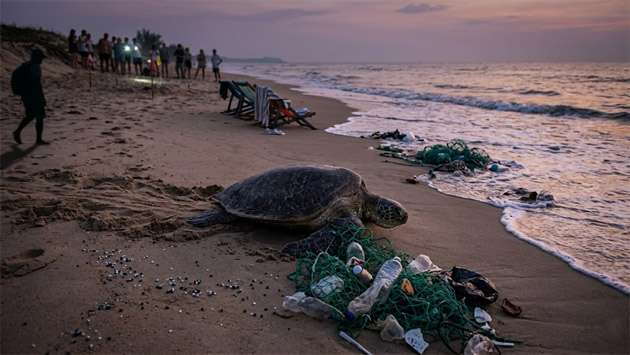
Colombo, June 16 (Daily Mirror) - Environmentalists warn that sea turtles are increasingly threatened by human activities. The widespread disposal of plastic and polythene into the ocean, entanglement in fishing nets, poaching of turtle eggs and excessive tourist activity along coastal areas have contributed to a rapid decline in turtle populations.
The warning comes as Sri Lanka joins the global community in marking World Sea Turtle Day on June 16, a day dedicated to raising awareness about the conservation of one of the ocean's most iconic species.
Sri Lanka is considered one of the most important nesting sites for sea turtles in the Indian Ocean, with five of the world's seven sea turtle species regularly visiting the island's southern and western coastlines to lay their eggs. These include the green turtle, loggerhead turtle, leatherback turtle, hawksbill turtle and olive ridley turtle.
Conservationists say the presence of these species is a testament to the country's rich marine biodiversity. However, increasing levels of marine pollution and human interference continue to threaten their survival.
Plastic waste remains one of the biggest dangers faced by sea turtles. Many turtles mistake floating plastic for food, leading to injury, starvation and death. In addition, fishing gear left in the ocean often traps turtles, while illegal collection of eggs and uncontrolled tourism activities near nesting sites further endanger their populations.
To address these challenges, the Environment Ministry and affiliated agencies, including the Department of Coast Conservation and Coastal Resource Management and the Marine Environment Protection Authority, have implemented various programmes aimed at protecting turtle habitats and conserving coastal ecosystems.
Authorities said that keeping beaches clean is essential to ensuring safe nesting grounds for turtles. The Department of Wildlife Conservation, together with several voluntary organisations, continues to monitor nesting sites and protect turtle eggs and hatchlings.
Despite these efforts, conservationists emphasize that long-term success depends on greater public participation. They urge coastal communities, fishermen and the general public to play an active role in reducing pollution and protecting nesting beaches.
As the world observes World Sea Turtle Day, environmental groups are calling on all Sri Lankans to help preserve these ancient marine creatures and ensure their survival for future generations.