 CHATURANGA PRADEEP SAMARAWICKRAMA
Reply To:
Name - Reply Comment
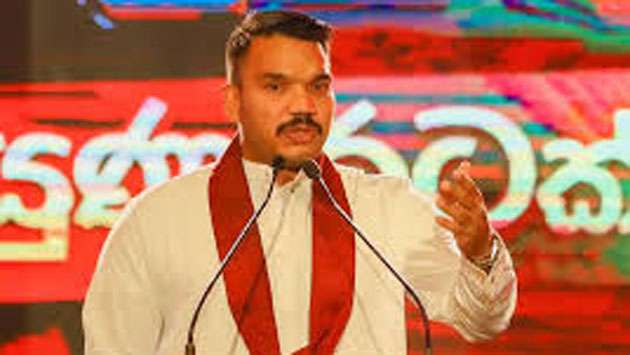
Colombo, March 16 (Daily Mirror) - Sri Lanka Podujana Peramuna (SLPP) National Organiser and Parliamentarian Namal Rajapaksa yesterday charged that instead of increasing fuel prices, the government should reduce alleged commissions and inefficiencies if there is no corruption at present, and provide relief to the public.
Speaking to the media, he said that in the past ministers were accused of earning large commissions from fuel transactions, and if such practices have stopped now, the benefit should be passed on to the people by lowering prices.
He said the government should have introduced the fuel QR system much earlier and said that several countries had already prepared similar mechanisms before Sri Lanka adopted it.
Rajapaksa said that when the QR system was first introduced by the previous government, the current President had criticised the move, but now the same system is being used.
He further alleged that the recent fuel price increase was linked to losses caused by what he described as the “coal scam,” claiming that the burden of those losses is now being passed on to the public.
According to him, the losses were not due to world market conditions but due to decisions taken by the present administration.
“They say fuel prices had to be increased because of the world market. But the losses from the coal issue were not created by the world market. They were created by the actions of this government. Pointing to the global market will not hide that,” he said.
Rajapaksa also claimed that in the past it was said that large commissions were added to fuel prices, and if such commissions no longer exist, the government should deduct them and reduce the price of fuel.
“If earlier it was said ministers earned 150 from fuel, then remove that 150 now and give relief to the people. If there is no theft now, reduce the commissions and reduce the fuel price,” he said.
He also urged the government to consider the practical difficulties faced by essential service providers due to high fuel prices.
Rajapaksa said special attention should be given to sectors such as health services, three-wheel operators, transport providers, trade, business and tourism, which depend heavily on fuel.
He said that those engaged in long-distance transport, especially in rural and urban areas, are finding it difficult to operate at current fuel prices and called on the government to introduce practical solutions to support such sectors.