 CHATURANGA PRADEEP SAMARAWICKRAMA
 Reply To:
Name - Reply Comment
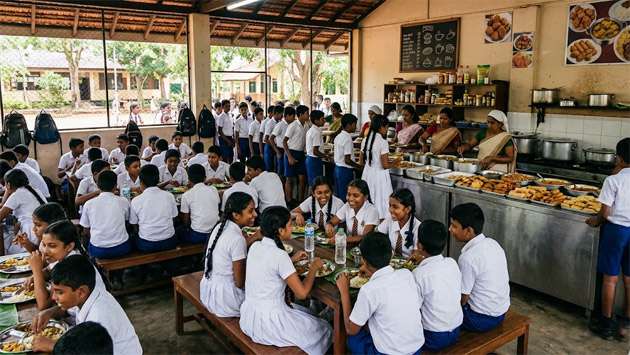
Colombo, June 18 (Daily Mirror) - The Health Ministry has issued a revised list of foods prohibited for sale in school canteens, aimed at promoting a healthier generation of children and reducing the growing risk of non-communicable diseases (NCDs) such as obesity, diabetes, hypertension, and heart disease.
Specialist Dr. Monika Wijeratne, Consultant Community Physician and Director of the Nutrition Unit at the Ministry of Health, said the guidelines are intended to ensure that school environments support better dietary habits and long-term wellbeing among students.
According to the Ministry, the prohibited food categories include items high in unhealthy fats, foods containing excessive salt and artificial sweeteners, and products with high sugar content. The list also includes high-calorie foods with little nutritional value, as well as ultra-processed food products, which health authorities say contribute to poor nutrition and increasing health risks among children.
Dr. Wijeratne highlighted that regulating food availability in schools is a key step toward building healthier eating patterns from an early age and preventing lifestyle-related diseases in the future.
Health authorities have also issued a comprehensive list of food items prohibited for sale in school canteens as part of efforts to promote healthy eating habits among children and curb the rising prevalence of non-communicable diseases.
Officials said that excessive intake of fats, sugar, salt, and highly processed foods is a major contributing factor to long-term health complications. Accordingly, strict nutritional guidelines have been introduced for foods sold within school premises.
Foods high in fats and trans-fats
Foods containing high levels of saturated fats and trans-fats have been identified as harmful to children’s health. Experts caution that only a limited portion of daily energy intake should come from such fats.
Prohibited items include processed meats such as ham, sausages, bacon, and similar products, as well as pastries, puffs, and deep-fried foods including rolls, patties, samosas, cutlets, fried potatoes, and manioc.
Foods high in sugar
Foods with excessive sugar content have also been restricted, with authorities noting that natural sources such as rice, starchy foods, and fruits provide sufficient dietary sugar.
Banned items include chocolates, doughnuts, éclairs, chocolate cakes and biscuits, cream biscuits, iced cakes, carbonated soft drinks, colas, energy drinks, artificial fruit drinks, and other sweetened beverages. Heavily processed biscuits and iced confectioneries are also prohibited.
Health experts warn that high sugar consumption contributes to obesity and reduces children’s appetite for balanced meals, while artificial additives may trigger allergies and other health issues.
Foods high in salt and flavour enhancers
Foods containing excessive salt and flavour enhancers such as monosodium glutamate (MSG) and related compounds are also prohibited due to their association with high blood pressure and other health risks.
Restricted items include salted groundnuts, gram, cashew nuts, packaged pickles, soup cubes, instant soup powders, processed instant noodles, and salted snack foods such as popcorn and similar products.
Foods with empty calories
Foods with high calorie content but little nutritional value have also been banned, as they can reduce appetite for proper meals and negatively affect children’s nutrition.
These include sweets, chewing gum, toffees, ice-based sweets, lollipops, jellies, and sugar-rich confectioneries such as boondi, kisses, jujubes, and Bombay motai.
Alcohol-related and processed foods
The guidelines also prohibit any foods containing alcohol or alcohol-based substances, including alcoholic beverages and products such as alco-pops.
In addition, highly processed foods such as instant noodles, sausages, and meatballs are discouraged due to their low nutritional value and high levels of preservatives, salt, sugar, and fat.
Health authorities highlighted that these measures aim to create healthier school food environments and support the long-term wellbeing of students across the country.