Reply To:
Name - Reply Comment

By Shannine Daniel
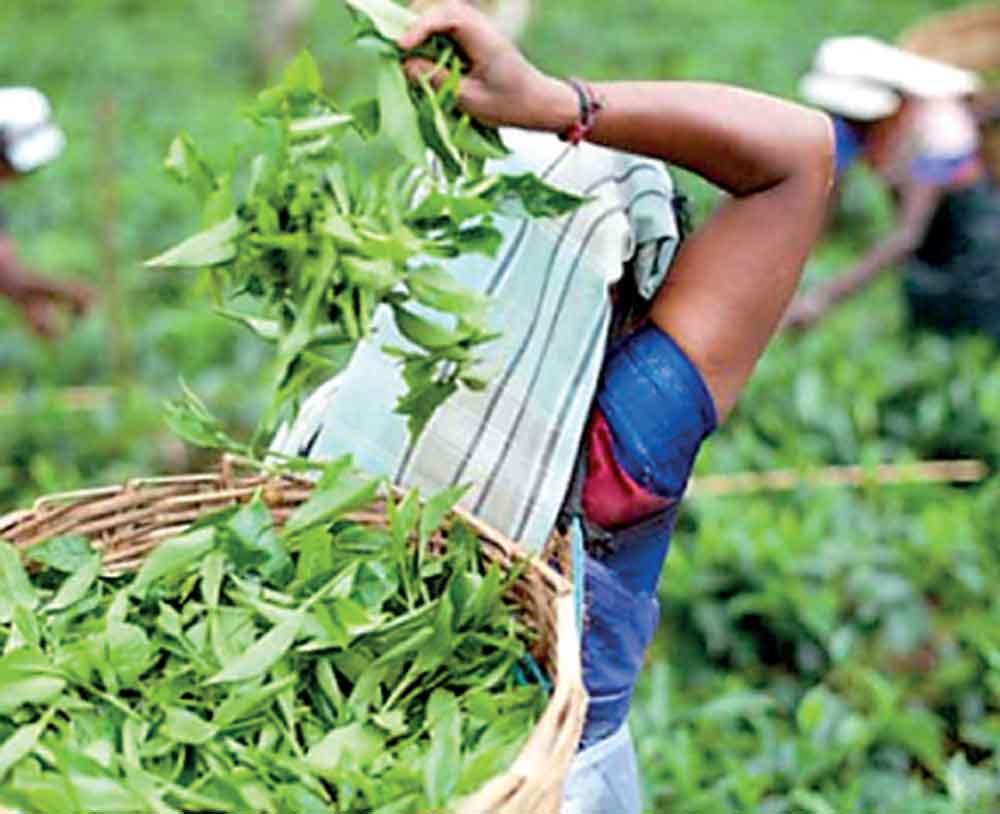
The government’s latest decision to raise the plantation workers’ wages has been made without any consultations with the industry personnel, a senior representative of the plantation sector said while asserting the move could impact the output.
Speaking on condition of anonymity, he told Mirror Business the proposed wage increase should have been linked to productivity.
“Over the course of many years, we have observed that every time a wage increase is given, around 10,000 estate workers stop working regularly,” he asserted.
At the second hearing of the 2026 National Budget proposals, President Anura Kumara Dissanayake proposed increasing the minimum daily wage of estate workers from Rs.1,350 to Rs.1,550, effective January 2026.
Dissanayake also proposed a daily attendance incentive of Rs.200, backed by a Rs.5,000 million allocation.
The industry veteran said the past attendance incentives that required 85 percent attendance had helped ensure the workers reported to duty more consistently.
“Like any agricultural sector, the tea industry too cannot function efficiently, if it does not have a sufficient number of workers. For instance, if we apply fertilisers to 100 hectares of land and expect 100 workers to show up but only 50 workers do so, then we will be running at a loss,” he added.
Sri Lanka’s national tea output stands at around 250 million kilos, with local tea selling at roughly US $ 4 per kilo. By contrast, Indian tea averages about US $ 2 per kilo and the state of Assam alone produces approximately 750 million kilos annually.
He noted that between 65-75 percent of the industry revenue goes toward wages, leaving just 25-30 percent for fertiliser and other essential inputs.
“If wages increase, then we have to cut down other factors and this will affect production,” he cautioned.
He added that expanding cultivated land could help recover higher labour costs but warned it would eventually hit quality, as the buyers would not continue paying US $ 4 for lower-grade tea.
The industry figure also pointed out that many state-owned estates remain in financial distress, with some unable to pay the EPF, ETF and gratuity dues for 10 to 12 years.
“This industry is surviving because of the private sector, even though many people accuse the private sector of exploiting workers. Government companies were getting subsidised inputs and still running at a loss,” he stressed, noting that the private sector has invested almost Rs.120 billion in the industry.