 CHATURANGA PRADEEP SAMARAWICKRAMA
Reply To:
Name - Reply Comment
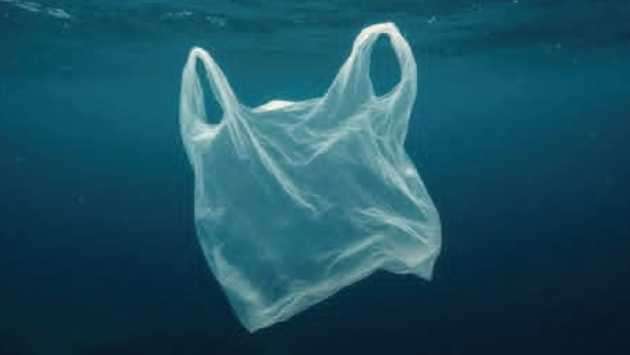
The Centre for Environmental Justice (CEJ) has called on the government to urgently address a regulatory gap that allows companies to earn substantial profits by charging consumers for plastic bags without directing any of that revenue toward environmental conservation.
In an official Facebook post, CEJ Chairman Hemantha Withanage said the organisation’s original legal action against the free distribution of plastic shopping bags was intended to reduce the massive volume of polythene waste entering the environment particularly through supermarkets while ensuring that money collected from consumers would be used for waste management, public awareness programmes and the promotion of eco-friendly alternatives.
After nearly three years of legal proceedings, an agreement was reached on March 28, 2024, with the consent of the then Ministry of Environment, the Central Environmental Authority (CEA), the Consumer Affairs Authority (CAA) and the party that had challenged the imposition of a conservation levy in 2008.
Under the agreement, the 2008 CAA gazette requiring shops to provide plastic bags free of charge was withdrawn. This allowed a price to be set for plastic bags and paved the way for the government to impose a conservation surcharge.
However, Withanage said that neither the previous government nor the current administration implemented the agreed surcharge. As a result, the CEJ moved in late 2025 to revive the case through contempt of court proceedings. This prompted the current government to gazette regulations permitting retailers to charge consumers for plastic bags. Prior to this, the CAA had already withdrawn the earlier gazette mandating free bags.
While welcoming the policy’s environmental impact, Withanage warned that the absence of a conservation levy has enabled companies to retain large profits. According to CEJ estimates, plastic bag usage has declined by 60–70 per cent since consumers began paying for bags, a development the organisation described as a major environmental success. However, companies are now saving the cost of providing free bags while also charging consumers, with none of those earnings channelled into environmental protection.
He said that Sri Lanka already imposes a cess tax ranging from 5 per cent to 45 per cent on imported plastic raw materials, but it remains unclear how much of this revenue is actually allocated for environmental conservation. While plastics have certain benefits, the CEJ stressed that their contribution to pollution justifies taxation under the “polluter pays” principle.
The organisation suggested that delays in introducing a dedicated conservation surcharge may stem from complications related to the existing cess structure. Nevertheless, it argued that environmental justice could still be achieved by allocating at least 10–15 per cent of current cess revenue specifically for conservation if a separate surcharge cannot be introduced immediately.
Responding to public criticism that charging a small fee for plastic bags would not change consumer behaviour, the CEJ said real-world outcomes have disproved this claim. While some consumers have complained about the durability of paid-for bags, the organisation emphasised that the ultimate objective is to encourage the use of reusable bags, not stronger plastic ones.
Before the policy change, an estimated 20 million plastic bags were discarded into the environment each day. Based on current reductions, the CEJ estimates that companies are now saving more than Rs. 50 million per day. “This profit was never meant to enrich companies,” the organisation said, proposing a conservation levy of Rs. 1 per plastic bag as a fair solution.
Clarifying public misconceptions, the CEJ stressed that a “levy” is a tax imposed by the government, not a fee collected by companies. Allowing businesses to retain the full benefit of charging for plastic bags, it warned, undermines the intent of the court agreement and shifts producer responsibility onto consumers.
Despite these concerns, the CEJ described the reduction in plastic bag use as a major victory for the public, future generations and the environment, comparing it to its earlier success in eliminating lead paint from the market. To fully realise environmental justice, however, the organisation urged the government to treat companies as part of an extended producer responsibility framework by collecting a surcharge from the high profits generated through plastic use.
The CEJ concluded that much of the current confusion has arisen from decisions taken by relevant institutions without adequate consultation with the organisation, despite it being a principal party to the case.