 CHATURANGA PRADEEP SAMARAWICKRAMA
 Reply To:
Name - Reply Comment
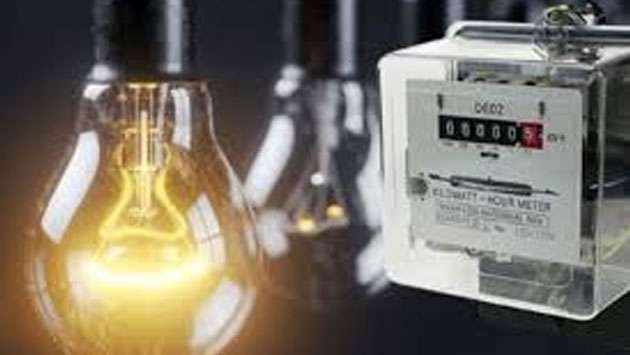
Colombo, March 18 (Daily Mirror) - The Public Utilities Commission of Sri Lanka (PUCSL) has announced that the Ceylon Electricity Board (CEB) has requested a 13.56% increase in electricity tariffs for the second quarter of 2026, citing a projected revenue shortfall of Rs. 15.8 billion for the period from April to June.
The request was submitted on February 13, 2026, under the provisions of the Sri Lanka Electricity Act No. 20 of 2009, and is currently under review as part of the quarterly tariff revision process. The PUCSL has issued a consultation document inviting stakeholders to submit comments before a final decision is taken.
Forecasted costs and revenue gap
According to the proposal, the CEB estimates that the total cost of electricity supply for the second quarter of 2026 will reach Rs. 136.5 billion, while expected revenue from electricity sales is only Rs. 116.9 billion, even after including a carried-forward surplus of Rs. 3.8 billion.
The projected costs include:
Based on these figures, the utility has requested a 13.56% increase in sales revenue, proposing that the hike be applied equally across all consumer categories.
Generation mix under review
The PUCSL noted that the CEB has forecast total electricity demand for the quarter at 4,577 GWh, with power generation expected from hydro, coal, oil and renewable sources.
The forecast shows:
However, the Commission has raised concerns over several assumptions, including a reduction in expected coal generation from the Lakvijaya plant and an increase in capacity costs compared to earlier forecasts.
Fuel supply agreements not finalised
The regulator also pointed out that the CEB has not yet signed fuel supply agreements for its power plants despite previous directives, and an enforcement order has been issued requiring the agreements to be completed by February 21, 2026.
Fuel prices used in the forecast are based on estimates provided by the Ceylon Petroleum Corporation.
Extraordinary costs questioned
The PUCSL has identified several cost items in transmission and distribution expenses that require further verification, including payments related to voluntary retirement schemes, insurance reserve funds and the Vidulakapaya headquarters project.
Distribution costs also include expenses linked to an unfinished SESRIP project and capital expenditure adjustments from previous years, which may be subject to deductions after review.
Finance costs and past debts
The CEB has included Rs. 7.9 billion in finance costs, including:
The Commission stated that these figures will be examined to determine whether all components should be passed on to consumers.
Tariff increase to affect all users equally
Under the proposal, the CEB has suggested applying the 13.56% increase uniformly across all customer categories, meaning every electricity bill would rise by the same percentage from current levels.
Public consultation underway
The PUCSL said its preliminary analysis has identified several areas requiring clarification, and stakeholders have been invited to submit proposals to improve efficiency and reduce costs before the tariff revision is finalised.
The Commission is expected to make a final determination after reviewing public submissions and verifying the cost data provided by the CEB.