Reply To:
Name - Reply Comment
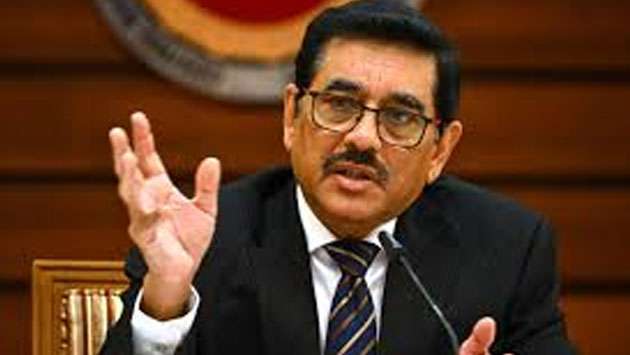
Sri Lanka’s economic recovery will struggle to gain lasting momentum unless the country significantly expands its export base and improves access to trade finance, Central Bank Governor Dr. Nandalal Weerasinghe said yesterday, positioning export-led growth as the next critical phase of the country’s post-crisis rebuilding effort.
Speaking at the launch of the National Export Development Plan (NEDP) 2026-2030, Weerasinghe said Sri Lanka had made notable progress in restoring macroeconomic stability following the 2022 economic crisis, but warned that sustained growth and external resilience would require a stronger and more diversified export sector.
The Governor said recent improvements in external stability had been supported largely by a recovery in tourism and strong workers’ remittances, but stressed that these alone could not provide the foundation for long-term economic prosperity.
“Expanding exports is therefore not merely a trade objective, it is a macroeconomic imperative,” Weerasinghe said.
“A well performing export sector generates foreign exchange earnings, supports productive employment, attracts investment, facilitates technology transfer, and strengthens the overall resilience of the economy.
Sri Lanka›s export basket remained heavily concentrated, with garments and tea accounting for more than half of total exports, while the United States and Europe continued to absorb around 40 percent of shipments.
The NEDP’s emphasis on improving competitiveness, trade facilitation, market access, innovation, entrepreneurship and skills development addresses many of the structural constraints that had historically limited export growth, he said.
The Governor also highlighted trade finance as one of the most critical requirements if Sri Lanka is to achieve its ambitious export targets.
Access to instruments such as letters of credit, export credit facilities, guarantees, supply-chain finance and working capital funding enables exporters to manage risks, meet production requirements and fulfil international orders efficiently, he noted.
The issue is particularly acute for small and medium-sized enterprises (SMEs), which often face financing constraints despite accounting for a substantial share of employment and economic activity.
He said the Central Bank would continue supporting an environment that enables financial institutions to provide trade finance solutions efficiently and responsibly, adding that strengthening trade finance availability would be crucial to meeting the export ambitions outlined in the NEDP.
Beyond financing, the Governor said the Central Bank’s role in maintaining macroeconomic stability, ensuring a resilient financial system and modernising payment infrastructure would remain key to supporting export-oriented investment.
He added that ongoing efforts to strengthen digital payments, improve financial inclusion and integrate Sri Lanka’s payment systems with international networks would help businesses engage more seamlessly in global trade.
“If implemented effectively, with strong commitment and coordination across all stakeholders, the National Export Development Plan can make a significant contribution toward achieving sustainable economic growth, generating quality employment, strengthening foreign exchange earnings, and enhancing resilience against future external shocks,” Weerasinghe said.