 Moiz Mustafa
 Reply To:
Name - Reply Comment
By Moiz Mustafa
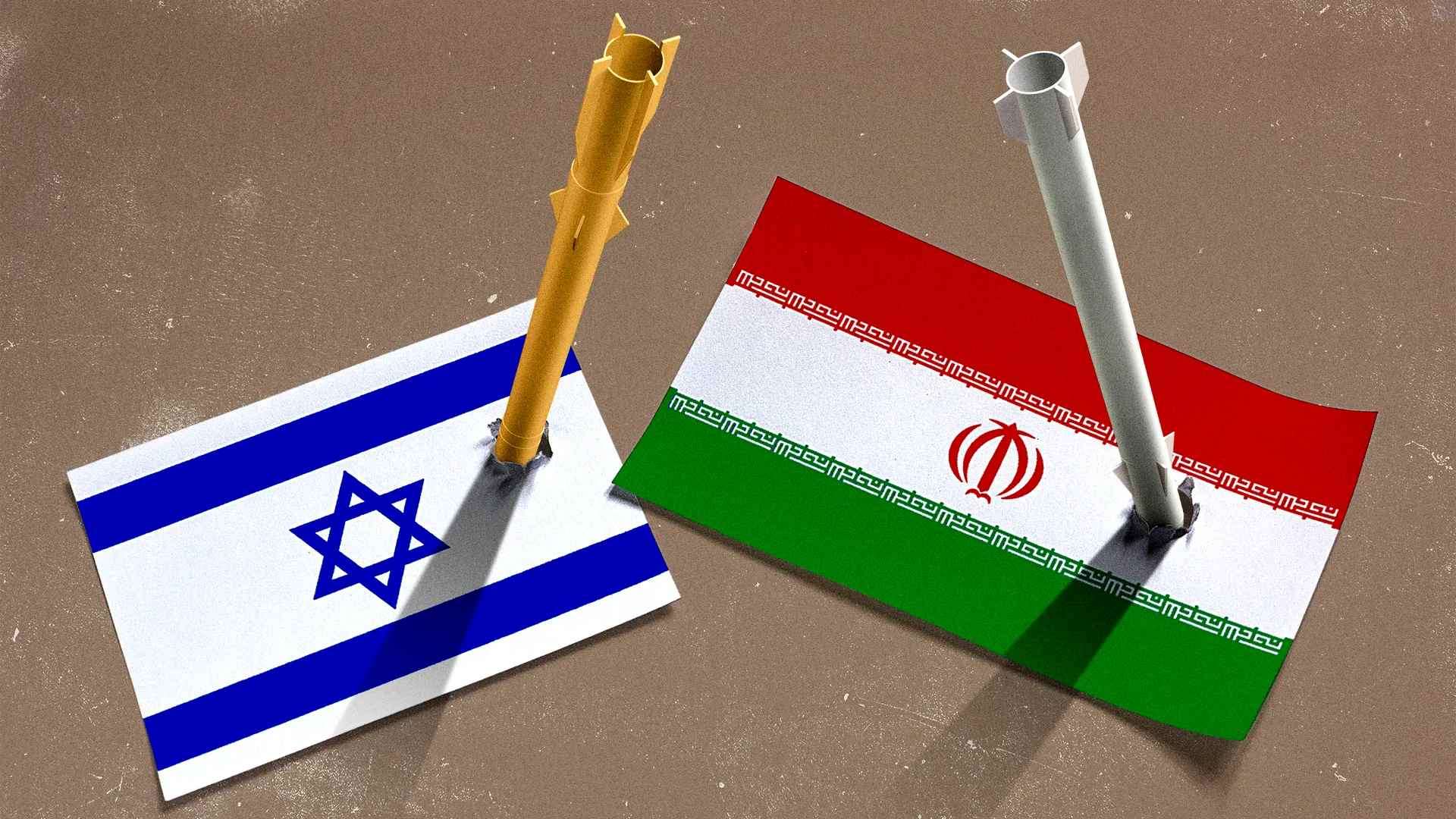
June 15 (Daily Mirror) – Day 108 – After more than three months of war, the United States and Iran have reached an agreement to end hostilities, paving the way for formal negotiations on Iran’s nuclear programme, sanctions relief and regional security arrangements.
The breakthrough follows months of fighting that killed more than 7,000 people, displaced millions across the Middle East and triggered the largest global energy shock in recent history.
Under the agreement, a memorandum of understanding will be signed in Geneva, Switzerland, on Friday, with Pakistan overseeing the ceremony after playing a key role in mediating between Washington and Tehran.
US President Donald Trump announced that the Strait of Hormuz will reopen when the agreement is signed, ending a blockade that disrupted one-fifth of global oil and gas shipments.
Iran says the agreement includes the immediate end of military operations across all fronts, including in Lebanon.
However, uncertainty remains over whether the deal will hold, with Israeli leaders openly criticising the agreement and signalling that military operations could continue independently.
Strait of Hormuz to reopen
Frozen Iranian assets
Iran's nuclear programme
Israel yet to comment officially
The war has killed at least 7,129 people across the region.
Figures may change as additional information becomes available.
Iran remains the country most directly affected by the conflict.
According to Iran's Ministry of Health:
3,468 people have been killed
More than 26,500 have been injured
Hundreds of women and children are among the dead
Iranian officials say the war caused extensive damage to military facilities, infrastructure and civilian areas across the country.
Lebanon suffered the highest death toll of any country involved in the conflict.
At least:
3,593 people have been killed
More than 7,000 injured
Approximately 1.2 million displaced
Although the agreement includes an end to military operations in Lebanon, fighting and Israeli strikes have continued in recent days.
Iranian missile attacks killed at least 26 Israelis and injured 7,693 others.
Major strikes targeted:
Tel Aviv
Dimona
Arad
Military and strategic sites
The US military has confirmed:
13 combat-related deaths
Approximately 200 injuries
Bahrain: 3 killed, dozens injured
Iraq: 118 killed, dozens injured
Jordan: 0 killed, 29 injured
Kuwait: 7 killed, dozens injured
Oman: 3 killed, 15 injured
Qatar: 0 killed, 20 injured
Saudi Arabia: 3 killed, 29 injured
United Arab Emirates: 12 killed, 224 injured
The biggest development of the war came with the announcement that Washington and Tehran have agreed to permanently end hostilities.
According to both sides:
Fighting will end across all fronts
Negotiations on Iran’s nuclear programme will begin
Discussions on sanctions relief will follow
Maritime restrictions are expected to be eased
The Strait of Hormuz will reopen
Pakistan's Prime Minister Shehbaz Sharif described the breakthrough as the result of months of diplomacy and said the agreement marks the end of “three months and 16 days of unparalleled trials.”
Pakistan has played the central mediating role in the conflict's final phase.
Islamabad hosted earlier negotiations and has maintained communication channels with both Washington and Tehran throughout the crisis.
Pakistani officials will witness the signing ceremony in Geneva.
Pakistan's Interior Minister Mohsin Naqvi arrived in Tehran carrying what Iranian media described as a special letter from Pakistan’s leadership to Iran's supreme leadership.
One of the most significant consequences of the agreement is the planned reopening of the Strait of Hormuz.
The waterway carries approximately:
20 percent of global oil exports
Large volumes of liquefied natural gas
Critical industrial commodities
Trump said the strait would reopen immediately after Friday's signing.
However, shipping experts remain cautious.
Military and maritime analyst Alexandre Hudisteanu warned that shipping companies will likely proceed slowly after months of attacks on commercial vessels.
Many operators are waiting for:
Security guarantees
Mine-clearance operations
Confirmation that navigation is safe
Industry analysts say confidence could take weeks to rebuild.
Governments around the world have welcomed the agreement.
Countries publicly supporting the deal include:
China
Saudi Arabia
United Kingdom
France
Spain
United Arab Emirates
China called for maintaining momentum toward lasting peace.
The UAE said the agreement could strengthen:
Regional security
Economic stability
Freedom of navigation
Maritime safety
Unlike most international leaders, senior Israeli politicians reacted negatively.
Prime Minister Benjamin Netanyahu has not rejected the agreement outright but insists Israeli security goals remain unchanged.
More direct criticism came from key members of his coalition.
National Security Minister Itamar Ben-Gvir said:
"Trump's agreement does not bind us."
Finance Minister Bezalel Smotrich described the deal as:
"Bad for Israel."
Former Prime Minister Naftali Bennett called it:
"A dangerous turn for Israel's security."
Several Israeli leaders insist military pressure on Iran should continue through what they describe as “creative means.”
Despite the agreement, Israel says it will continue occupying territory captured during the conflict.
Defence Minister Israel Katz said Israeli forces will remain indefinitely in:
Southern Lebanon
Gaza
Parts of Syria
Israeli officials argue the deployments are necessary to prevent future attacks.
The position is likely to become one of the most contentious issues in future negotiations.
Lebanese President Joseph Aoun and parliamentary leader Nabih Berri welcomed the agreement.
However, Lebanon's military warned displaced residents to exercise caution before returning to border areas.
Officials cited continuing risks from:
Unexploded ordnance
Israeli military activity
Possible ceasefire violations
The Israeli army has also continued operations, including the destruction of the Qasmiyeh Bridge, a key route linking southern Lebanese communities.
The agreement comes amid continued debate inside the United States.
Trump has presented the deal as proof that military pressure achieved results.
However, critics argue the war could have been avoided entirely through diplomacy.
The Pentagon is also rejecting reports that the conflict significantly depleted US weapons stockpiles.
Defence Secretary Pete Hegseth dismissed concerns about ammunition shortages, saying:
"Our stockpiles are great and they're only getting stronger."
Financial markets reacted immediately to news of the agreement.
Oil prices fell sharply
Global stock markets rallied
Shipping and airline shares gained
Energy traders reduced risk premiums
Investors hope the reopening of Hormuz will ease pressure on global supply chains and reduce inflation concerns.
While the Geneva agreement represents the most significant diplomatic breakthrough since the war began on February 28, many observers caution that it remains an interim deal rather than a final settlement.
Major issues remain unresolved:
Iran's nuclear programme
US sanctions
Israeli military operations in Lebanon
Israeli control of territory in Lebanon, Gaza and Syria
Long-term security arrangements in the Gulf
As diplomats prepare for Friday's signing ceremony, the war appears closer to ending than at any point in the past 108 days.
Yet after months of fighting, mistrust remains deep, and the durability of the agreement will depend on whether both sides can transform a fragile ceasefire into a lasting peace.
For now, however, the prospect of the Strait of Hormuz reopening and hostilities ending offers the clearest sign yet that the conflict may finally be entering its final chapter.
THE TRUTH Sunday, 01 March 2026 12:17 AM
RELIGIOUS BACKGROUND, LEADERSHIP, THEY LIKE WAR . NOT PEACE.
56 185

HoooJin Sunday, 01 March 2026 08:21 AM
The problem is with the one book they read!
59 113
Pachatulla Tuesday, 03 March 2026 02:22 PM
Pu ka Iran, very soon for Pachawatte professors. Especially PHI and Kolu Kata Nayaka.
34 17
Are you referring to the Bible Sunday, 15 March 2026 11:05 AM
Are you referring to the Bible - Trump reads or Tora - Natanyahu reads?
33 25
Pittuwa Sunday, 01 March 2026 08:52 AM
Same thing when the constitution is drafted to protect religious sentiments as first and foremost.
23 79
Kalubanda Monday, 02 March 2026 11:42 AM
My friend, you've got to separate the government from the people (not only in Iran). If you've met any Iranians, I'm sure none of them are what you describe above. Nothing is so black and white as your's and Hooo Jin's bigotry.
4 53
Adwani Monday, 02 March 2026 02:29 PM
@THE TRUTH - Even stupidity has its limits, you being THE TRUTH has so far failed not only to realized the Truth, but understand the Truth. First the rogue nation orchestrated their own destructions of Towers and try to set off the debt of Gulf Nations which failed. Then the Rogue Nation admitted that Iran has vast wealth of natural resources. Then still the RN owes billions to Iran and still holding on the debt. Israel and USA are hell bent on grabbing wealth of Gulf Nations to provide value to their printed paper currency. If they like wars SL nationals could not have worked and earned. Therefore, please learn to speak the TRUTH before you call like those crooks as TRUTH.
67 42
the truth Sunday, 08 March 2026 02:20 AM
THE TRUTH, TO @ ADWANI OR ATHANI. You are misunderstanding, first of all thanks 80 people thumb up my comment. I said generally all over the world. now I give some countries . e.g Israel , Lanka , Iran. who is there ultra-right wing religious background?
2 88
HALLUCINATION AT ITS BEST!! Saturday, 14 March 2026 04:28 PM
WHAT A LOAD OF BULL DUST!!.
1 3
HALLUCINATION AT ITS BEST!! Saturday, 14 March 2026 04:30 PM
THE TRUTH, WELL SAID.
1 34
Kimberly Bellino Saturday, 07 March 2026 12:21 AM
I am an American, one of the 75 million people that do not like Trump, did not vote for him. We pray daily for your safety and good health. Much respect for all religions and peace. Everyone has value and should be treated well.
37 49
Just saying Monday, 23 March 2026 01:15 PM
Thank you for your candour. Not sure what’s up with the negating of your comments, especially as they are not offensive, and promoting peace and mutual respect. Well, I, for one appreciate it.
0 22
Ranjit Saturday, 14 March 2026 07:09 PM
The war started by two Mad people who are ruling US and Israel and not by Iran. If they can have nuclear weapons why can’t Iran have it also. Upto now which country ever used nuclear weapons - it is USA.
6 20
Somasundram , School Teacher ,Jaffna. Sunday, 01 March 2026 02:54 AM
In the midst the Indian Prime Minister Modi visited Israel as a show of support for the Jewish State.The Global South would NEVER FORGIVE INDIA.
104 80
Hafeez Sunday, 01 March 2026 07:44 AM
I am not able to remember when did global south stood by India? Each country in global south was always working against India.
22 47
YOU HAVE NO AUTHORITY TO SPEAK FOR THE GLOBAL SOUTH Saturday, 14 March 2026 04:36 PM
SOMASUNDRAM, UNFORTUNATELY ALL COUNTRIES HAVE THEIR OWN LEADERS AND SO DOES INDIA TO DO AS THEY PLEASE. DOUBT THE GOVT/PEOPLE OF INDIA GIVE A RATS TAIL IF NORTH SOUTH EAST OR WEST NEVER FORGIVE THEM, SO YOUR COMMENT HOLDS NO WATER.
1 3
Indrani J. Sunday, 01 March 2026 02:57 AM
For years the leader of the genocidal nation has been telling the world at the UN that Iran was only days away from nuking us all, he has used cartoon props to try and convince us...it turns out the nation that has illegally occupied, blockaded, starved, injured, displaced, and killed the most number of civilians in the region is NOT Iran. It turns out that this rogue nation has been bombing at least 5 of its neighbors and stealing their lands, and its leader has taken advantage of a mentally deranged American leader to make his obsession come true. We are witnessing what could be WW3.
214 171
Sheena Sunday, 01 March 2026 09:50 AM
Lost your marbles indrani?
108 110
Reply to Sheena Sunday, 01 March 2026 02:48 PM
Reply to Sheena, Are you Israeli or wilfully ignorant, or both? Indrani gives a very accurate account of the situation. BTW/ Israel and US actions were illegal and condemned by the UN.
99 113
wsw Sunday, 01 March 2026 05:15 PM
An American sycophant?
51 23
Indrani J. Saturday, 07 March 2026 09:42 AM
Instead of trying to disprove with links you respond with insults. Its typical hasbara Here is who lost his marbles. "How Netanyahu Pushed Trump Toward War Through a mixture of audacity, ruthlessness, and luck, Prime Minister Benjamin Netanyahu has upended the balance of power between Israel and Iran, its most threatening regional adversary, and remade the Middle East in just 20 months. But his most important victory may prove to have been winning over President Donald Trump on the need to attack Tehran with the full force of the Israeli military." TIME
22 44
Rohan Sunday, 01 March 2026 10:42 AM
Absolutely correct.
99 61
KSM Tuesday, 03 March 2026 01:05 AM
Let Indrani go and live 1 day in Iran, where she will not have the freedom to keep her hair uncovered and not to listen to music and dance, She will be treated as equal to cows and goats as declared by Khomeini that woman are equal to cows and goats. That is the status of women in Iran. Indrani, please leave sri lanka and get Iranian nationality. spend 1 year in Iran, then write the comment.
64 70
Reply to KSM- Indrani J’s comments are true! Tuesday, 03 March 2026 06:45 AM
Reply to KSM- Indrani J is referring to Israel as the genocidal nation, which is totally accurate. It is a country that is fighting neighbouring countries, is on the UN list for civilian child deaths; oppressed, tortured and terrorised the Palestinians for decades, continues to expand territorial land, whose PM is a convicted war criminal, AND yet, Israel has the audacity to call Iran a brutal regime when it violates international laws openly, assassinates at will, targets foreign consulates and is the main destabiliser of the region!
61 70
Nihal J Monday, 09 March 2026 09:47 AM
What's important ..... keeping the hair open or living a decent life .......... the USA are not only killing its own people openly but all over ............... what right do they have to teach the people all over the world ...... let them take people whoever willing to live like American way but they do not have any right whatsoever to teach how to live in other countries .................... NJ
0 0
Average Joe Saturday, 25 April 2026 08:03 PM
A lot of people worldwide are convinced Iran is a religious crazy outpost, maybe like Afghanistan. The truth is far from it. While it is true that there is religious dominance in politics, the society by and large is hugely liberal, but much of Western media concocts the bad image. American in SL.
0 0
Kevin Sunday, 01 March 2026 04:11 AM
Israel is winning. Others in the region are losing. Roar of the Lion as Israel calls it.
83 90
stfup Sunday, 01 March 2026 08:20 AM
But Saudis also supported it by urging Trump. Get some proper news.
7 46
Israel has full US support for now. Sunday, 01 March 2026 02:41 PM
Israel’s only winning streak is due to US support and protection! This will not last, as the younger US citizens are actively questioning their country’s blind allegiance to a Middle Eastern country, especially due to their own domestic issues being neglected. They are also more aware of the Palestinians and their oppression. Once US support finishes, Israel will be more isolated.
38 105
No roar; money buys power. Sunday, 01 March 2026 02:45 PM
That slither of a country has a powerful Jewish lobby which fund politicians in wealthy countries. So, money buys power and influence. Not exactly a roar; more of a jingle of money!
23 91
PunkaLatha Sunday, 01 March 2026 05:55 AM
News in the air that Iran's theocratic leader ALMOST certainly dead.
8 72
Kevin Sunday, 01 March 2026 08:04 AM
The Iranian spiritual leader was killed by Israel. Iran finally admitted that. He's a civilian. Whatever his religion was, this is wrong. He stood firm. He could have saved himself by caving into threats and giving up the nuclear program. But he didn't and chose martyrdom instead. Iran's only guarantee of peace is nukes. Nobody touches North Korea. Iran has lost the war and Israel has won. However Iran should continue its nuclear program. Attackers will run out of bombs in 2 weeks. Iran will survive despite huge losses. It's true friends must help its recovery. At last Iran will allow foreign military bases. A game changer.
85 34
Kirihāmi Sunday, 01 March 2026 01:17 PM
Only that he and his cohorts ordered the killing of thousands of unarmed youth protesting against their oppression, and extremely poor management of the economy. Apart from that, there's nothing much wrong, right?
9 43
Sokrates Sunday, 01 March 2026 08:08 AM
Good shot
51 88
Reply to Sokrates Sunday, 01 March 2026 03:14 PM
Ever heard of diplomacy and the rule of law? How typically European! Rule of law is for others? Case of do as I say, not as I do!
34 70
A.S. Fernando Sunday, 01 March 2026 08:20 AM
It is interesting to know how Russia, UK, EU, China, the other Arab states and peace-loving people of the US itself will react. It looks like that the man who longed for the Nobel Prize for Peace has triggered the Third World War! As for us, this has raised the grim prospect of long queues for gas and -petrol and a sudden hike in living costs among the other dire consequences!
16 35
D P P Prasad Sunday, 01 March 2026 08:23 AM
This may lead to a third world war. Because of this retaliation the poor country like Srilanka will have to encounter number of hardships. Thus the closure of the Hormuz strait will be a huge blow for the oil shipments. This war should be terminated as soon as possible. Otherwise.innocent people will die in thousands. This war will directly affect Srilankan expatriates who are working in the Middle East countries. Therefore we wish that the leaders of each country should negotiate for a peaceful atmosphere
9 42
Sheena Monday, 02 March 2026 07:07 AM
Sri lanka is a "poor" country due to its own corrupt regimes long before this war. Sri Lanka should be self sufficient instead of relying on imports for everything even salt and coconut, rice etc. This is what Gotabaya tried to implement but foolishness prevented people from seeing his vision.
94 16
Rathnavali Monday, 02 March 2026 11:21 AM
You are right! Our government was not ready for the fall out and has only a buffer stock of fuel for one month! In the past, we had 3 months of stock. Imagine a worse case scenario, with the coal issue causing that power plant to fail, due to prevailing mid east crisis diesel running out and Diesel generators failing and on top of that, country facing a severe drought with reservoir waters depleting, which will cause a severe electricity shortage! Hopefully and with the blessings of God, that will never happen! But there is a 30% probability for it to happen since this government has no 'forward planning'.
27 5
Petrol Dealer Tuesday, 03 March 2026 12:04 AM
Absolute lie to discredit govt. As of 2017, Sri Lanka's total storage capacity was estimated at only about 30 days. Based on available records, Sri Lanka has never held a 3-month (90-day) buffer stock of fuel at a national level. In fact, the country has struggled with limited storage capacity, typically holding only a few weeks of supply.
1 25
RESERVES ARE COLLECTED THROUGH THE YEARS AND RELEASED FROM TIME TO TIME WHEN REQUIRED, THAT IS WHY SOME ARE REALEASING MILLIONS AND MORE OF THEIR RESERVES. Saturday, 14 March 2026 04:45 PM
DON'T BLAME THE GOVT, BLAME THE CORRUPT GOVTS THAT RULED FOR DECADES, HAD NO INSIGHT OTHER THAN SOME IN GOVT FEATHERING THEIR NESTS, DIDN'T GIVE A DAMN ABOUT THE COUNTRY AND ITS PEOPLE AND END RESULT LEFT THE COUNTRY DRAINED, PEOPLE SUFFERING LIKE NO OTHER TIME IN OUR HISTORY, NOT FORGETTING THOSE POOR PEOPLE WHO DROPPED DEAD STANDING IN QUEUES.
1 0
BLAME THE CORRUPT GOVTS IN THE PAST Saturday, 14 March 2026 04:47 PM
WELL SAID PETROL DEALER.
0 0
Dr Thissa Fernando Monday, 02 March 2026 11:28 AM
I agree Sheena. He was also going to give each citizen a MIG.
2 17
S P Sunday, 01 March 2026 08:24 AM
Trump together with Netenyahu will emerge triumphant after this. They precision targeted the Iranian leader’s compound and demolished it with their supreme leader thanks to their superior intelligence service. We also had an equally efficient intelligence service led by an equally capable intelligence officer who helped carrying out almost identical attacks successfully targeting terrorist leaders. However his fate is entirely different. We are a way better than the Americans and Israelists. We put him behind bars!
73 11
Kirihāmi Sunday, 01 March 2026 01:20 PM
Only that he acted as a puppet to please the master by killing innocent worshippers inside their house of god so that the master can grab power.
2 26
Karalasingam Sivalingam Sunday, 01 March 2026 03:00 PM
Peace is paramount. War will destroy everthing. Countries will suffer economic meltdown Specially, SriLanka would be affected badly. Our tourism, tea exports, oil imports etc would badly hit. How can SriLanka raise its head. Our economy would be from frying pan to fire.
1 24
Reply to Pittuwa Sunday, 01 March 2026 05:36 PM
Reply to Pittuwa- All countries have religious affiliations to their constitution! Apart from the Islamic countries, examples of this include: US president’s oath of allegiance mentions God in it. So, can a US president be non-Christian? German political party is Christian Democratic Party. King Charles III is head of the Church of England. ( Can never be another Christian domination.)
47 49
stfup Sunday, 01 March 2026 07:53 PM
Apart from the Arabic countries, the others you have mentioned haven't given prominence to one specific religion. Some of the constitutions actually ban putting one religion over the other, separating religion from governance.
31 42
Reply to stfup- countries have religious bias Monday, 02 March 2026 03:29 AM
Reply to stfup- so what about the US President oath? What’s god got to do with being a president? Yet reference to god is there. So, religion is deeply entrenched in some constitutions and oaths to upkeep the constitution. Also, what countries preach openly and what they do covertly is another matter! Do you honestly think any European country will allow a non-Christian to be their leader? Try and put a Protestant leader into Catholic Ireland and watch the fireworks!
42 50
hasaka Monday, 02 March 2026 06:19 AM
@stf, I agree. Most of those rituals are just cultural practices. There is actually nothing related extreme religious practices.
7 15
Have you heard of a country called Lebanon? Wednesday, 04 March 2026 01:19 PM
Have you heard of a country called Lebanon which is an Arabic nation? But the President is a Christian and the Prime Minister is a Muslim? This is in their constitution. Lebanon has many catholic churches as it has mosques. But all other Arabic countries have only Muslim citizens. Foreigners who go for short term jobs may belong to some other religion. They they go back to their motherland at the end of the contract. But Dubai which is an Arabic nation has Hindu Temples to serve the big Indian worker population.
0 2
Pittuwa Monday, 02 March 2026 08:34 AM
@Reply... All basic laws derive from commandments. Roman Dutch laws we use have no difference. Our constitution is fundamentally designed to protect indiciplined bunch of politicians and clergy who are dependent on them, that represent the majority. That is the main reason for many social political issues as the constitution, everybody wanted to abolish especially after 1994, as it was proven abusive. This is more dangerous under so called democracy than in an Islamic regime like in Iran or other Middle Eastern countries where our people work.
5 3
Gamaka Sunday, 01 March 2026 07:19 PM
Look at all the clowns commenting while they don't even have a clue on the repurcussions this will have in the wider world if this continues. Sri Lankans are truly small minded island rats.
113 13
R Nuts Monday, 02 March 2026 06:29 AM
Look at this clown who loves religious extremists who murder people in the name of religion everyday, who oppress free speech and who carry out idiotic orders like fatwa.
11 41
Gamaka Tuesday, 03 March 2026 08:31 AM
This island rat still doesn't understand that the original comment was about diplomacy first and had nothing to do with supporting anyone. I guess you can't teach monkeys to play the violine.
36 4
Top brand idiot Tuesday, 03 March 2026 10:34 AM
But monkeys can type, this Gamaka-(nawaa) is an example.
7 29
Take this seriously Sunday, 01 March 2026 09:14 PM
Due to the new influx of Israelis here, with a concentration in Arugam Bay, we are potentially at risk of terror attacks! This is because Israelis abroad might be targeted in retaliatory attacks. Needless, to say, this would be a disaster for all of us, and we must be vigilant.
32 73
Insider Monday, 02 March 2026 12:21 AM
Before commenting as many do as usual, read the Chris Hedges Report of 28 February 2026.
20 2
Insider Monday, 02 March 2026 12:23 AM
May also be useful to read up on AIPAC which directs US policy.
23 8
Let’s clarify Monday, 02 March 2026 03:19 PM
Isn’t AIPAC the Jewish lobby in US which someone commented about already.
0 48
Jude Monday, 02 March 2026 04:31 AM
What you're GONNA know that Iran's Ayatollahs regime done. Finished.
15 9
Jude Monday, 02 March 2026 04:38 AM
Yeah the Israel foces broke Iran's Khamenei's regime for pieces!!
20 13
Curious Monday, 02 March 2026 07:09 AM
What we know about the war is that Sri Lankans are stocking fuel in their homes for survival. The Gulf Nations that depend on outside sources for many food items are calm.
1 5
KD Monday, 02 March 2026 08:17 AM
Trump is the biggest danger to world peace.
35 42
Ceylonese Monday, 02 March 2026 08:28 AM
Fools assasinated a good negotiator, he will be replaced by a young military guy who wont be able to have that much patience like the former, people gonna witness hell on earth soon, we, Sri Lankans better to go to a country side and find jobs in farm lands, soon we all will know that Trump is Dumb.
31 19
Rohan Monday, 02 March 2026 10:42 AM
Trump and Netaniyahu did a big gamble which will cost lives and unimaginable damage to the whole world as a consequence.
29 21
mal.com Monday, 02 March 2026 11:27 AM
@ Rohan You read the Bible or the ANITHYA in Dhammapadaya.
16 1
Sudath De Monday, 02 March 2026 11:36 AM
Do you think about 10,000 will die, the same number of unarmed protestors that was murdered by that extremist regime?
8 28
Idiots with power is a dangerous mix Monday, 02 March 2026 03:11 PM
Thank the idiotic Americans who voted for Trump! Money never equates with intelligence, and Trump illustrates this beautifully!
40 56
Not a gamble, but very calculated by Israel Monday, 02 March 2026 03:17 PM
Netenyahu accomplished what he wanted, and he used Trump and US forces to achieve this. Netenyahu wanted to weaken Iran to make Israel the most powerful country militarily in the region.
0 63
Meticulously planned by Israel Monday, 02 March 2026 09:52 PM
No. Planned by the convicted war criminal Netenyahu from the start of Trump’s presidency! He tried to get US involved from Biden’s time and kept referring to Iran as the axis of evil, trying to convince the world that the Israelis will eliminate them to help the world! In reality, it’s to empower Israel’s military standing in the region. Now, they are the country with not so secret nuclear capability! And we are all supposed to be safe; haha!
7 57
Kevin Tuesday, 03 March 2026 01:09 AM
The war is now heading towards another Sunni-Shia war.
9 4
Foot note Tuesday, 03 March 2026 06:32 AM
@Kevin No. It's 12 O' clock. Big to small closer O.
0 0
roobarbie Tuesday, 03 March 2026 07:55 AM
It is high time that Iran acquires its own nuclear weapon, just like North Korea. Trump and Neatnayahu are gangsters murderers. In fact these two countries are the real terrorist regimes that have been wages of unprepared and unsuspecting countries since the second world war, always keeping the fires of war burning in the entire middle east region. North Korea had the right idea to stop such aggressors violating their independence and sovereignty. Iran MUST do the same. This gangster Trump thinks that he should be the world dictator and everyone else must live under his dictat.
44 20
joshua Tuesday, 03 March 2026 08:57 AM
Opposition Leader has called for an urgent meeting of the opposition party members (Yeah in SL). This might frighten USA and Isarel, and they may stop the War immediately. Also, our Wimal (expert in fasting) might fast unto death in front of the USA embassy with MR not being there to offer him juice.
28 2
Rasalingam Wednesday, 04 March 2026 12:52 AM
Congratulations for your comment
38 0
Terrence K Tuesday, 03 March 2026 09:09 AM
There are no winners in a war ultimately all are losers. When a country has a regime of Theocracy dictatorship of the Clergy it becomes a one sided governance. Those who are extremists in a Religion want everything to filter down according to the Regime not accomodating the various choices of the younger generation who value education and life styles which are alien to those only wanting a religious way of life. After the demise of the Shah of Iran some of the population experienced a vacuum in governance and were frogs in the Well. By the Americans intervention it opens the doors for a democratic state. Right throughout Iran was planning the extinction of the state of Israel and building their nuclear capability. As the saying goes prevention is better than cure the Americans decided for this pre-emptive strike to neutralize any disaster taking place in the future. !!!!!!!!!
13 44
Acts of aggression will not solve anything but satisfy Israeli agenda Friday, 06 March 2026 02:11 PM
Don’t be naive! US interference causes more issues in the long run. Called Imperial blow out! The consequences of them getting rid of leaders causes a power vacuum, then uncertainty, with no guarantees of a better leader thereafter. It is the Iranian people who will suffer. The more people are killed, the more anger and demand for revenge, the more fertile ground for extremism. Btw, Israel has been after Iran for decades to secure military supremacy in the region. Needed US support to achieve this.
17 41
Jesus Tuesday, 03 March 2026 06:21 PM
Reading these comments against Iran makes me sick.. Iran was helping hand for our country... These majority and there so called history proves how pathetic so called Buddhist kingdoms killed there own kith and skin for power...
53 12
Just saying Wednesday, 04 March 2026 03:35 AM
Read the comments properly - many condemn Israel and US, some condemn the war itself and yes, there are some comments that are just ridiculous! However, as you have no idea what religion these people follow, how can you justify taking a swipe at Buddhism? They might not be Buddhist.
85 39
Buddhists will not condone this war. Wednesday, 04 March 2026 03:45 AM
Many of us do not condone the aggression of US and Israel, and their justification was pathetic! Neither country was likely to be in imminent danger from nuclear weapons in Iran.
44 49
Chosen People of God? or Cursed people who never see PEACE? Wednesday, 04 March 2026 12:58 PM
Are you referring to "Tora" the Religious book of Jews? Jews call that they are the Chosen People of God. DO YOU accept it? This is same as what the Indian Brahmins claim. Rest of the Hindus are classified as Shadhria, Vaishyawa and Shoodras who are again regrouped into more than 100 castes and called Scheduled caste! Will this Chosen People allow any other race or religion of group to thrive in this world? Please enhance your general knowledge!
34 14
Chanaka J Wednesday, 04 March 2026 05:24 PM
The issue is the Zionist policies of the present Israeli government which is an extremist ideology. Sadly, they have the support of the majority of Israelis. There will only be peace when the more moderate Israelis are in power, Palestinian land is given back, and Israeli forces withdraw from Palestine, Lebanon and Syria. They need to be content within their own borders without this relentless goal to take land of others. Not all Jewish people are Zionists. There are many that oppose these views. They are the only hope for a peaceful Israel and that region.
53 52
Reply to Chanaka J Thursday, 05 March 2026 03:21 PM
What you say is true! Surprised that so many disagree. Well, their ignorance, their bliss I suppose.
53 33
Mani Ratnam Friday, 06 March 2026 12:24 AM
It appears Sri Lankans for not know the history of Palestinian suffering from 1948 and the Nakba. Guys read history to find out how the terrorist state of Israel with the help of US, is going against basic human rights for 75 years. Come on Guys. LETS SPEAK TRUTH.
18 48
Premalatha Thursday, 05 March 2026 07:57 AM
Who?
1 6
Premawathie Thursday, 05 March 2026 11:15 AM
Who Who?
1 4
Foot note Saturday, 07 March 2026 08:33 AM
Extent of Israel is one third of Sri Lanka. But foolish political tuition masters measurement always wrong.
0 1
Indrani J. Saturday, 07 March 2026 09:46 AM
After a world condemned genocide, the wanted war criminal took advantage of a clueless mentally unhinged American leader to bomb yet another enemy in the region. Other presidents before him saw through the weasel. "How Netanyahu Pushed Trump Toward War Through a mixture of audacity, ruthlessness, and luck, Prime Minister Benjamin Netanyahu has upended the balance of power between Israel and Iran, its most threatening regional adversary, and remade the Middle East in just 20 months. But his most important victory may prove to have been winning over President Donald Trump on the need to attack Tehran with the full force of the Israeli military." TIME
21 39
Mohamed Ifaz Inamdeen Tuesday, 10 March 2026 05:16 PM
The white-collar nitwits here in Srilanka do not know about Islamic Republic of Iran
3 7
Sashi Saturday, 14 March 2026 05:24 PM
Nor do they know about the Zionist extremist policies of the oppressive Israeli regime! WAKE UP Sri Lanka! We have the highest literacy rate in South Asia, and we should be able to distinguish between US- Israeli propaganda and the TRUTH!
0 23
Ranjit Saturday, 14 March 2026 07:18 PM
This war was started by two mad men -President of USA and PM of Israel who need this war to survive their existence. If they can have nuclear weapons why can’t Iran have the same for their defence, Which country on the world had so far used the nuclear weapons during war - it is not Iran. It is USA. WITH THE PRESENT PRESIDENT WHO HAVE A MENTAL DISORDER AS VERIFIED BY MANY AMERICAN SENIOR DOCTORS, THE CHANES OF USINGA NUCLEAR WEAPONS IS BY HIM OR HIS BEST ALLY Isreal.
0 8
dr kuma Monday, 16 March 2026 11:12 PM
most comments appear to be from babies in nappies! or should it be termed pampers!! Geopolitics is the self interest game. Whole of middle east where arabs are kissing the hand of america, the only one, singing out of tune, for the yankees ear, is Iran the persians not bowing to the Americano, fighting back for their dignity. If Iran too could be made to kneel at the americanos feet, almost most of the oil in the world, is under the americano, so is middle east politicc
2 6
SL lion Tuesday, 17 March 2026 02:31 AM
There are two wars here with multiple agendas: Israel wants more land, US wants oil. Of course, neither can openly state those objectives, so they find something else more palatable to reiterate. This can be regime change, neutralising nuclear threat, terrorist threat etc. However, some of us cannot be fooled by their narrative.
0 24
Navi Sunday, 22 March 2026 11:37 PM
Iran, they didn't start the fire
0 0
ish w Friday, 17 April 2026 06:25 AM
From the majority of the comments it's obvious sri lankans are backing the wrong side. Does'nt know right from wrong. No wonder the country is all messed up.
0 0
Marsipala Friday, 17 April 2026 10:34 AM
This world and its lands do not belong to any one of us. We are all here only temporarily, and one day we will all return to dust. So why do we fight over things that are never truly permanent? Every religion teaches us to respect one another and to live in peace. Every soul will taste death, and every soul will be held accountable on the day of judgment. Let us pray for peace in the world and choose kindness over conflict.
0 2
Just saying Friday, 17 April 2026 12:42 PM
If only the Israelis would take heed of your words, the world would be a better place!
0 0
222
Add comment
Comments will be edited (grammar, spelling and slang) and authorized at the discretion of Daily Mirror online. The website also has the right not to publish selected comments.
Reply To:
Name - Reply Comment