02 Mar 2026 - {{hitsCtrl.values.hits}}
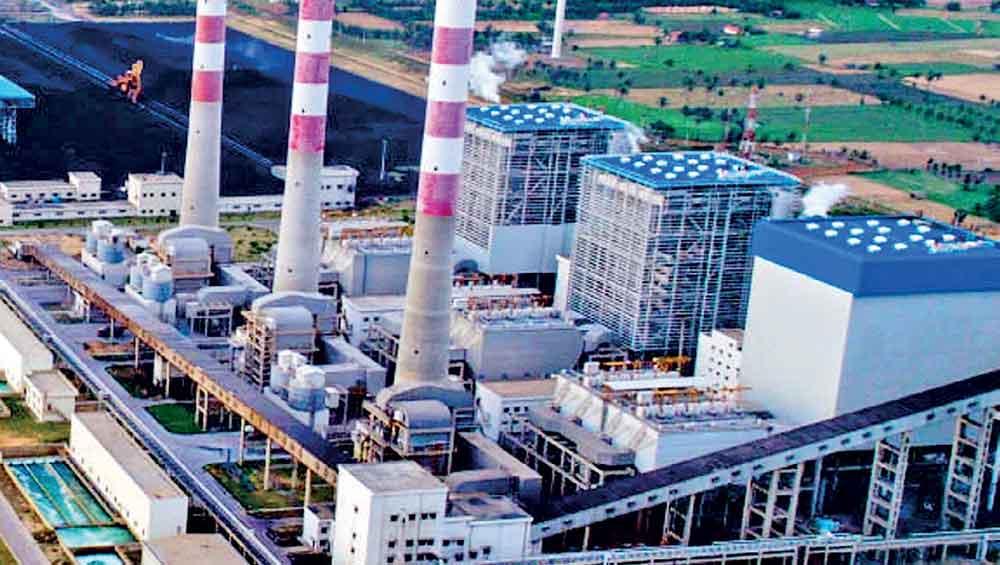
Coal power generation has dropped from 810MW to 790MW on weekdays, forcing expensive thermal oil plants to run continuously
 The coal scandal has “irreparably blackened” the new government’s reputation, raising fundamental questions about whose interests it truly serves
 Coal is a curious thing, a dull black lump of carbon pulled from the earth. It is dirty, so dirty that even the cleanest hands turn black at a touch. Yet coal has a stubborn nature. It is inefficient.
Rs. 7.67 billion Lost on Substandard Fuel: Opposition demands minister’s removal as quality failures expose systematic procurement manipulation.
The JVP-NPP government faces mounting pressure over a massive coal procurement scandal that has cost the state Rs. 7.67 billion, with all eight shipments of imported coal confirmed as substandard, and a ninth shipment also reportedly failing quality standards. Laboratory tests reveal the controversial coal supplied by Trident Chemphar contains 21% ash content -- significantly exceeding the approved 11-16% range for the Norochcholai power plant. The substandard fuel has reduced power generation capacity while forcing expensive thermal oil plants to compensate for the shortfall.
|
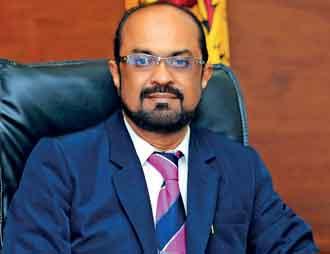
Minister of Energy Kumara Jayakody is increasingly under pressure to resign over the coal scandal |
Opposition parliamentarians, including the corrupt, trade unions, energy analysts, and environmentalists are demanding immediate disclosure of independent laboratory test results, warning that implications extend far beyond financial losses to encompass energy security and public health risks.
The procurement process has come under intense scrutiny after revelations that the government arbitrarily extended tender closing dates and revised eligibility criteria to favor the winning company. The tender, normally called in March/April, was delayed until August 2025. According to the 2021 Sri Lanka Coal Registration Document, companies were required to have a minimum coal reserve of one million metric tons with a GCV of 5900 kCal/kg. But in the 2025 document, the requirement was reduced to just 100,000 metric tons, a 90% drop.
This is highly suspicious. Controversial Supplier’s Track Record brings a troubled history. A 2016 Auditor General’s report revealed the company violated procurement rules when supplying 30,000 metric tons of rice to Sathosa in 2014. The company’s owner was arrested in New Delhi in 2022 over a money laundering case linked to an excise duty scam. Local representative, a former cricket talent analyst, was banned for seven years by the International Cricket Council in 2019 over match-fixing allegations.
Despite this record, the coal tender was awarded to this company. This shows how procurement guidelines were manipulated.
A CEB letter signed by the Ministry Secretary confirms that vested interests influenced the tender process, with the government providing additional time for the winning company to obtain registration and secure bank bonds. The financial hemorrhaging has been severe across all shipments. The first shipment alone cost Rs. 595.1 million in losses, followed by Rs. 288.5 million for the second, Rs. 1,047.4 million for the third, and escalating to Rs. 1,559.3 million for the eighth shipment. Combined with SriLankan Airlines losses of Rs. 7 billion, the government faces total loss of 15 billion. The burden ultimately falls on 7.5 million electricity consumers, with the government planning a 13.5% tariff increase despite campaign promises of reductions.
Corruption in a mirror
Former minister Patali Champika Ranawaka, himself no stranger to past whispers of a “coal deal”, has stepped forward in righteous alarm. He laments that hapless citizens were billed at premium rates when global crude oil and gas prices were at their lowest, a revelation delivered with the solemn gravity of a man discovering corruption in a mirror.
The operational impact has been equally damaging. Norochcholai’s power generation has dropped from 810MW to 790MW on weekdays, forcing expensive thermal oil plants to run continuously. These oil-fired plants cost Rs. 60 per unit compared to coal’s Rs. 26 per unit, creating a daily financial drain.
“Have a look at CEB’s daily generation chart and it tells the whole story,” observers note, pointing to the significant reduction in energy output per tonnage burned from the South African stock. The much more expensive thermal oil plants now contribute 500MW additional capacity to compensate for the coal plant’s reduced efficiency, plants that were largely shut down during the previous rainy season when coal units operated at full capacity.
Environmental and Health Concerns
Centre for Environmental Justice Senior Adviser Hemantha Withanage warned that “higher ash content means a higher risk of mercury-related health problems.” He demanded the controversial coal be withdrawn from use and called for public release of independent laboratory reports. Environmentalists argue that any stock exceeding the 16% ash content limit should be prohibited from use at the power plant. The 21% ash content in the imported coal represents a significant environmental and health risk to the population.
Despite promises of transparency and accountability, the government has been slow to respond to criticism. Laboratory test reports promised for January 16-17 remain unavailable as of January 24. Questions about who authorised the immediate burning of fresh substandard coal while existing stockpiles remained unused have gone unanswered. Energy Ministry officials and CEB management have provided no satisfactory explanation for why the utility was rushed to burn freshly unloaded coal, risking machinery damage, reduced output, and public health impact. There are allegations that the Energy Minister has issued a “gag order” on Norochcholai officials, preventing transparent communication about the crisis.
Meanwhile, Opposition Leader Sajith Premadasa, a senior figure of the Yahapalana Government era, fondly remembered for the daylight heist at the Central Bank of Sri Lanka, now declares that even the ninth shipload of coal is substandard. With this, the scandal expands like a well-stocked furnace, proving once again that in Sri Lanka, nothing burns longer than political hypocrisy.
The RED Hand Behind Black Coal
Critics draw parallels to the JVP’s previous stance on the medicine procurement scandal, when party leaders demanded arrests of responsible ministers. “When a racket of procuring substandard and fake medicines came to light during the previous government, the JVP leaders let out a howl of protest,” observers note, “but they are now defending Energy Minister Jayakody vis-à-vis, while the Opposition is demanding that he be sacked and prosecuted.”
Systematic Corruption Pattern
The scandal represents what critics call an evolution from previous administration’s “ad hoc corruption” to “organised corruption with political hierarchy backing.” Just weeks after the government’s formation, 323 freight containers including a large number of Red-Flagged were green-channelled, suggesting systematic manipulation of oversight processes. Corruption in Sri Lanka is not only driven by politicians but by a network of senior officials and racketeering businesses. Today, this network operates even without political figures.
Critics demand immediate action: cancellation of the questionable coal tender, removal of Minister Jayakody from the Cabinet, and establishment of an independent probe. If it were conclusively proven that a loss of LKR 7.6 billion resulted from the actions of a corrupt minister, the pressing question would be how such a sum could be recovered. Options might include civil recovery proceedings, asset seizure under anti-corruption laws, surcharge mechanisms through parliamentary oversight bodies, or criminal restitution orders upon conviction. Without enforcement and political will, however, accountability remains theoretical while the public continues to pay the price.
The procurement guidelines should be strengthened to prevent future manipulation, and all laboratory test reports must be made public immediately. The coal scandal has “irreparably blackened” the new government’s reputation, raising fundamental questions about whose interests it truly serves. With energy declared an essential service, the manipulation of procurement rules for such a critical resource represents a serious breach of public trust. As investigations continue, the Rs. 7.67 billion question remains: how will a government elected on anti-corruption promises address the systematic failures that enabled this scandal to unfold?
05 Jun 2026 7 minute ago
05 Jun 2026 27 minute ago
05 Jun 2026 54 minute ago
05 Jun 2026 1 hours ago
05 Jun 2026 1 hours ago