27 Nov 2025 - {{hitsCtrl.values.hits}}
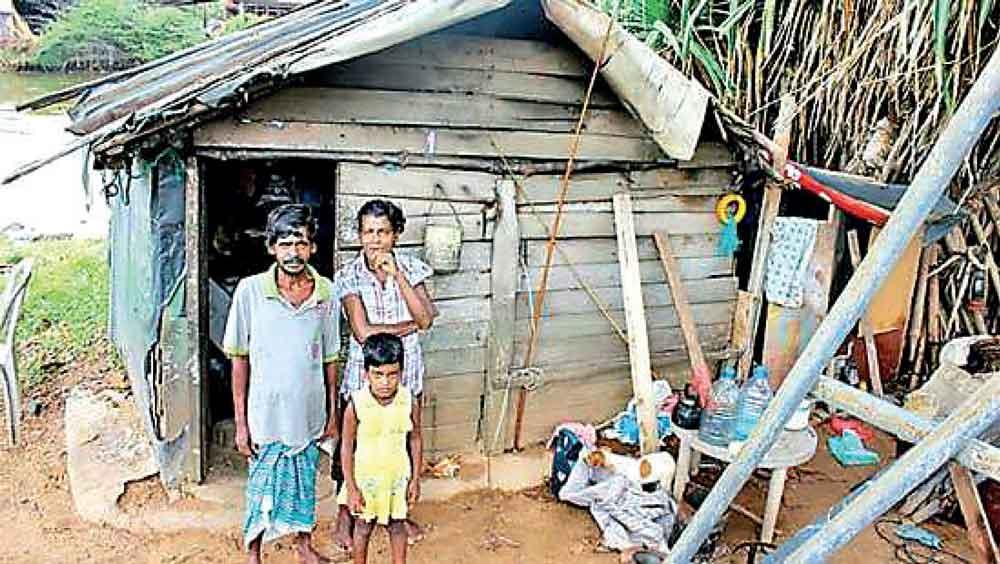
Sri Lanka’s poverty rate has nearly doubled in just 6 years, disproportionately affecting those in rural areas
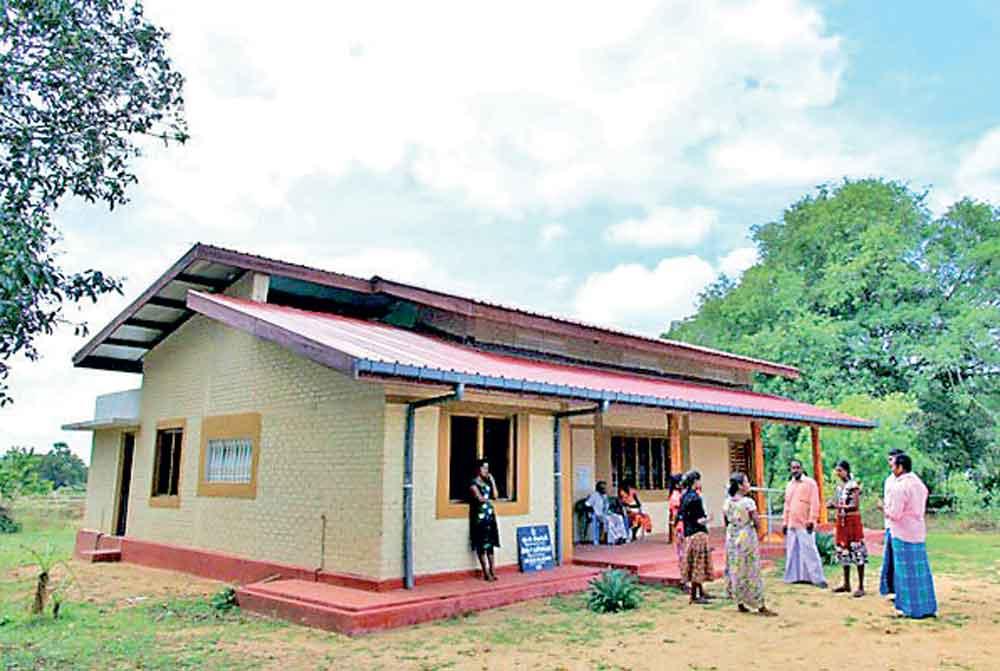
A multi-functional community centre in each GN division with an effective monitoring system has the potential to lay the foundation for rural industrialisation
By Zainab Hussein
Rural poverty in Sri Lanka is frequently highlighted, yet remains unresolved. According to experts, a large portion of the peripheral population continue to live in poverty or face a high risk of falling into it. The underlying causes are multifaceted, and addressing them requires long-term, multi-dimensional strategies
Recent government initiatives such as the ‘Prajashakthi’ national programme are launched with hopes of eradicating poverty. However, real impact depends on effective implementation and the extent to which they can truly transform rural livelihoods which have been disproportionately affected.
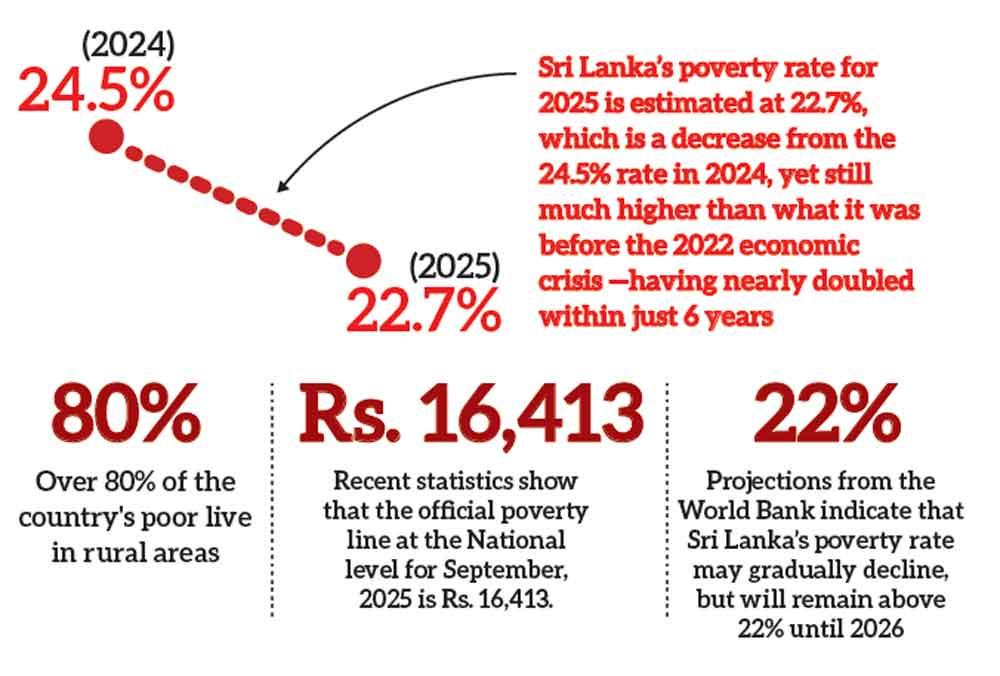
Sri Lanka’s poverty rate for 2025 is estimated at 22.7%, which is a decrease from the 24.5% rate in 2024, yet still much higher than what it was before the 2022 economic crisis —having nearly doubled within just 6 years. According to the Department of Census and Statistics (DCS), the official poverty line has increased due to the higher National Consumer Price Index (NCPI) value reported in September, 2025 compared to the preceding month.
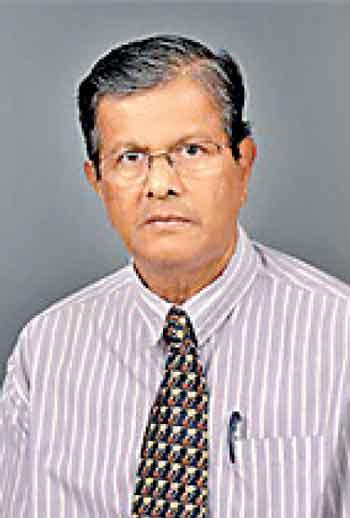 |
| Siri Hettige, Professor Emeritus of Sociology at the University of Colombo |
Recent statistics show that the official poverty line at the National level for September, 2025 is Rs. 16,413. Projections from the World Bank indicate that Sri Lanka’s poverty rate may gradually decline, but will remain above 22% until 2026. This is mainly attributed to the lasting effects of the economic crisis, the pandemic, and inadequate debt restructuring, despite some signs of economic stabilisation.
During an interview with the Daily Mirror, Siri Hettige, Professor Emeritus of Sociology at the University of Colombo, noted that poverty remains a critical issue in Sri Lanka, and a major portion of those in poverty live in rural areas— particularly in estate communities, with the elderly being the most vulnerable age group. “People in these regions are at risk due to several factors which includes limited access to quality education and health care, exposure to natural disasters, and rising household debt. The high cost of living continues to intensify food insecurity and malnutrition,while their daily struggles are often neglected by the government and the public,” Professor Hettige explained.
The root causes
He further stated that while the economic crisis and pandemic may have exacerbated the situation, they were certainly not the root causes. “Poverty in Sri Lanka extends back over four decades, primarily linked to the distorted structure of the economy, which remains heavily dependent on a very few sectors. Many small and large-scale industries have collapsed over the years, leading to widespread unemployment. This has forced many to rely on low-wage informal work or migrate for better opportunities. A large segment of rural households depend on agriculture, fisheries, and estate work—sectors with low productivity and high risk,” Professor Hettige explained.
Unequal income distribution is a reflection of the warped employment structure long established in Sri Lanka. This group of people remain trapped in a vicious cycle of poverty due to their socio-economic situation and thus, their hardships continue, and law enforcement alone cannot resolve this issue as it is structurally rooted.
Moreover, rural poverty extends beyond low income, and is multi-dimensional, which includes deprivations in quality healthcare, education, infrastructure, and basic services. “In many peripheral regions, medical facilities are either absent or require long and difficult travel to access, and public transportation is nearly non-existent. In these areas, either parents cannot afford to send their kids to school or they are sent to schools with limited facilities. This clearly portrays the multi-dimensional and inter-connected nature of rural poverty. It is important to recognise that such challenges cannot be resolved overnight; even with a well-structured plan, meaningful change takes years, which explains the frequent shifts in political power,” Professor Hettige remarked.
Temporary solutions
In Sri Lanka, pro-poor policies which revolve around free healthcare, education, and subsidised food have been in place for decades. However, most poverty reduction measures only offer temporary solutions for low-income families, but do not address broader macro policies that contribute to poverty. A critical question remains: how can social and economic pressures on the most vulnerable segments of the population be alleviated? “For over a year, I have been advocating for the establishment of a multi-functional community centre in every Grama Niladhari (GN) division. These centres could be managed using existing resources and supported by the Divisional Secretariat, the MOH office, and the local council. They can be used to conduct training programmes for the unemployed, health education initiatives, digital literacy courses, and more,” Professor Hettige explained. He added that such centres would not only provide villagers with access to essential services they were previously deprived of; but they also help in strengthening the community bond.
“This multi-functional community centre has the potential to lay the groundwork for rural industrialisation. The government has recognised it as an intervention, but has not yet been given much priority. I believe it should be implemented as a national programme, similar to ‘Clean Sri Lanka,’ to engage both public and private sectors where resources could be mobilised through CSR projects and NGO’s.
The success of this programme depends on everyone’s contribution, as it follows a bottom-up approach aimed at closing the gaps created by decades of top-down policies, and ultimately transforming Sri Lankan society from the grassroots level. Empowering poverty-stricken communities without any discrimination is crucial to help them break free from the cycle of poverty. With a centre in each GN division and a community-based monitoring system to track progress, every member will receive attention and support. Without the creation of sustainable livelihoods and stronger social protection, poverty will remain high despite macroeconomic improvements. Lasting change requires empowering rural communities, expanding access to essential services, and addressing structural inequalities,” Professor Hettige concluded.
07 Jun 2026 46 minute ago
07 Jun 2026 48 minute ago
07 Jun 2026 1 hours ago
07 Jun 2026 2 hours ago
07 Jun 2026 2 hours ago