03 Nov 2025 - {{hitsCtrl.values.hits}}
By Chaturanga Pradeep Samarawickrama
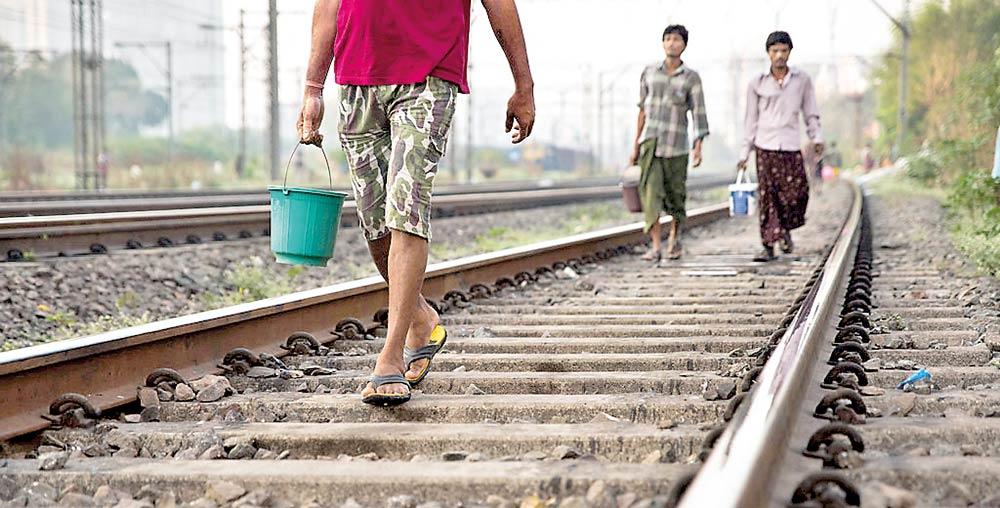
 Despite Sri Lanka’s impressive progress in hygiene and sanitation, more than 13,000 families still defecate in open areas such as forests and beaches, according to the Department of Census and Statistics.
The latest Basic Information Report on Housing by District and Divisional Secretariat Divisions from the 2024 Population and Housing Census reveals that 0.2 percent of the country’s 6,111,315 family units a total of 13,326 households continue to live without access to toilet facilities.
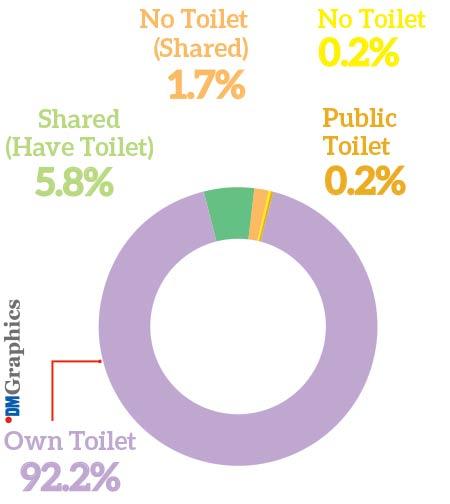
The report also shows that 92.2 percent of households have private toilets, while 5.8 percent share facilities with other families. Around 0.2 percent rely on public toilets, and another 0.2 percent use open areas.
Colombo District records the highest number of families using public toilets, totaling 4,518, while 207 families in the district do not use any toilets at all. Nuwara Eliya District has the highest rate of shared toilet use (5.2%), reflecting sanitation challenges in plantation areas.
Public health experts warn that these gaps in access to sanitation, especially in rural regions such as Batticaloa, pose long-term risks to health and hygiene. They urge authorities to strengthen rural sanitation programs and improve infrastructure to ensure safe and private toilets for every household.
19 Jun 2026 3 minute ago
19 Jun 2026 9 minute ago
19 Jun 2026 13 minute ago
19 Jun 2026 3 hours ago
19 Jun 2026 5 hours ago