22 Jul 2025 - {{hitsCtrl.values.hits}}
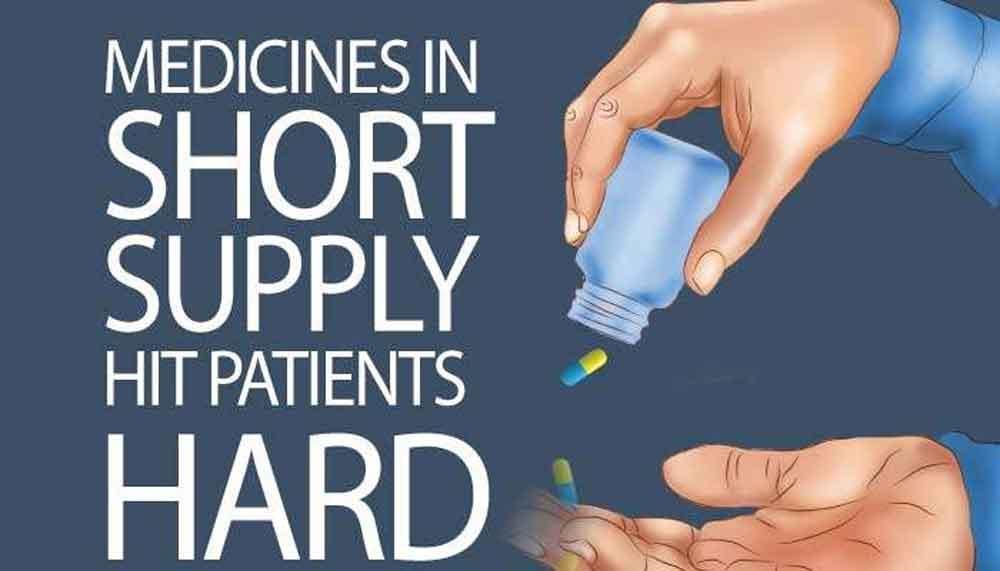
 Certain lifesaving drugs among those in short supply
Patients have delayed medication
Problem has been worsening for months
Public health crisis inevitable unless attention is paid
Insulin has been out of stock in many facilities for over four months
By Sheain Fernandopulle
Sri Lanka is facing a deepening public health crisis as a critical shortage of essential medicines continues to affect both the public and private healthcare sectors.
The scarcity has left patients suffering from chronic and life-threatening illnesses without access to crucial treatments with hospitals and pharmacies across the country reporting alarming stock outs.
Visits by the Daily Mirror to several pharmacies in Colombo revealed widespread shortages, including in major commercial centres where patients typically go when state-run facilities fall short. Pharmacists confirmed that the problem has been worsening for months and affects drugs manufactured both locally and overseas. Patients are increasingly being asked by hospitals to purchase medications from outside, only to discover they are either out of stock or priced far beyond what they can afford.
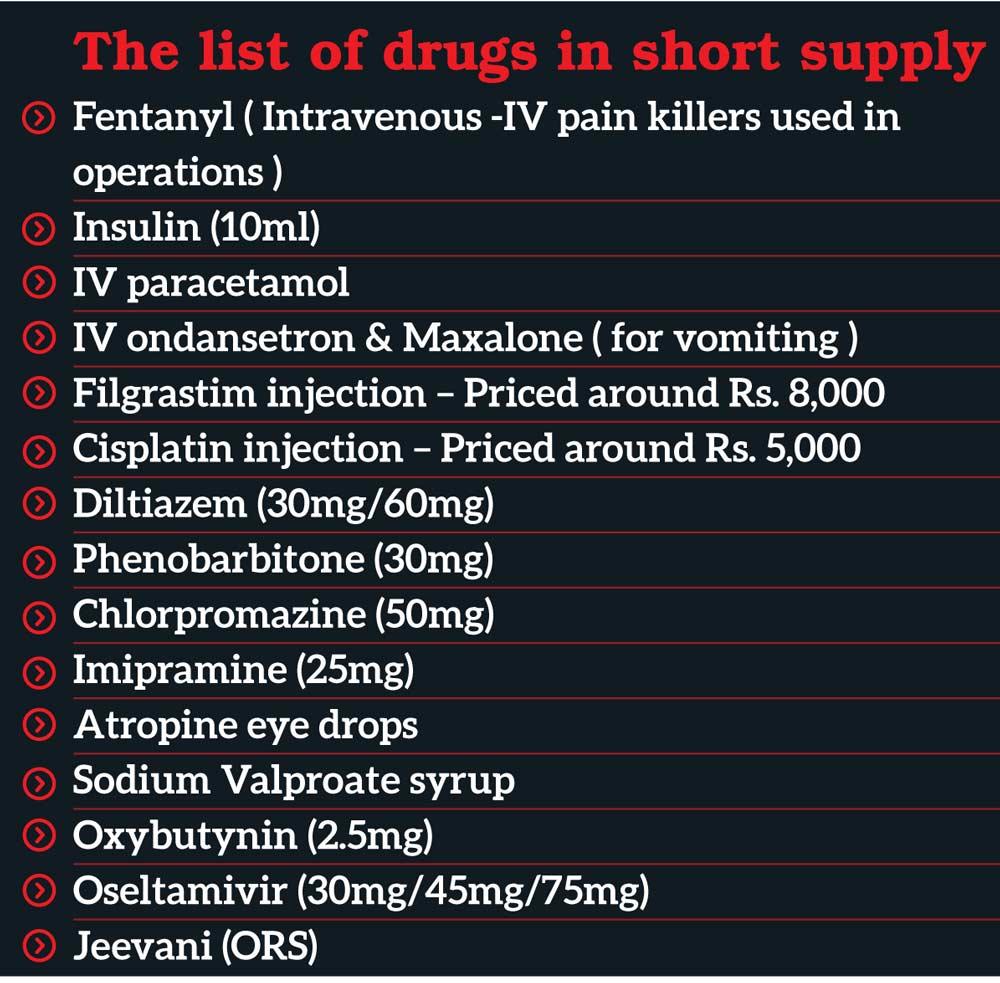
Among the most urgently needed drugs currently in short supply are insulin, cancer chemotherapy injections, psychiatric medications, and oral rehydration salts like Jeevani. Many patients now face delayed treatments, deteriorating health, or the impossibility of continuing essential therapies due to both unavailability and skyrocketing costs.
Insulin, a cornerstone treatment for diabetes, has been out of stock in many facilities for over four months. Similarly, Filgrastim and Cisplatin injections, which are commonly used in cancer treatment, have become extremely scarce and are priced around Rs. 8,000 and Rs. 5,000 respectively. Psychiatric drugs such as Chlorpromazine and Imipramine, epilepsy medications like Phenobarbitone and Sodium Valproate syrup, and cardiovascular drugs including Diltiazem have also largely disappeared from shelves. Even commonly used items such as Atropine eye drops and Jeevani are difficult to find in both government and private outlets.
Further, fentanyl (Intravenous -IV pain killers used in operations), IV paracetamol, IV ondansetron and Maxolon (for vomiting) are also in short supply.
Despite this evidence, the official government response has been mixed. While the Deputy Health Minister has denied that there is a shortage of commonly used drugs, he did acknowledge that supply chain disruptions are continuing to hamper the delivery of many medicines.
Health sector professionals, however, paint a more serious picture. They point to systemic issues such as foreign currency shortages, delayed procurement processes, and inefficiencies in the Medical Supplies Division as key contributors to the crisis.
Efforts by the Daily Mirror to contact Health Ministry Secretary Dr. Anil Jasinghe for a statement on the situation were unsuccessful.
With essential drugs running out and no clear indication of when supplies will be restored, patients are being forced to either go without treatment or resort to expensive imports from private distributors if they can find them at all.
17 Jun 2026 21 minute ago
17 Jun 2026 35 minute ago
17 Jun 2026 1 hours ago
17 Jun 2026 1 hours ago
17 Jun 2026 2 hours ago