11 Nov 2025 - {{hitsCtrl.values.hits}}
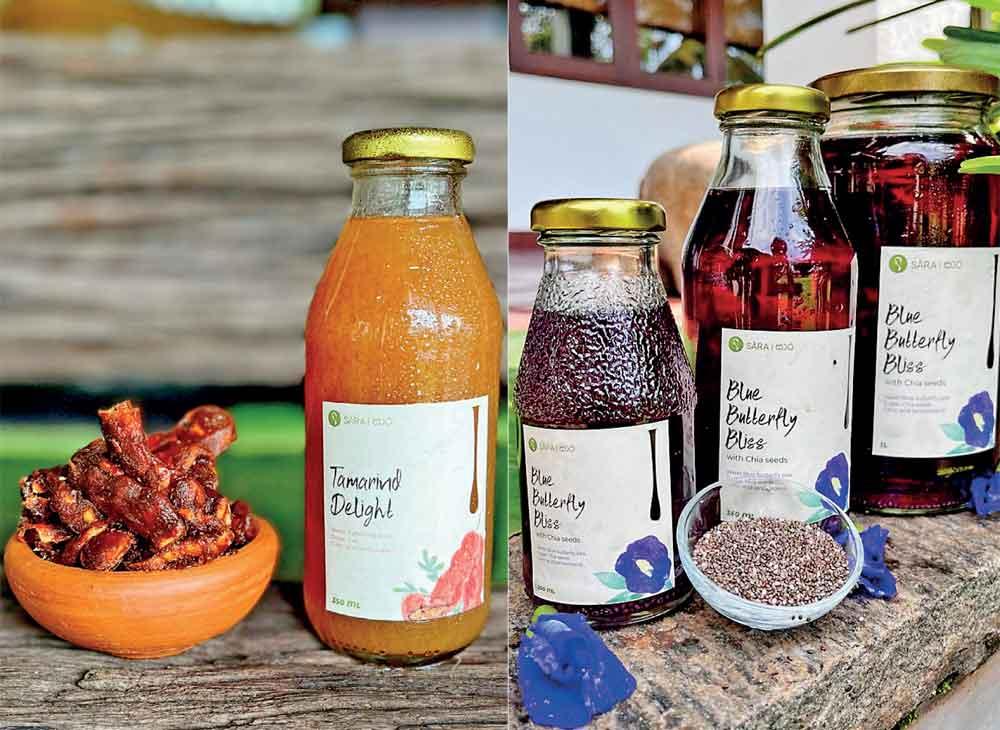
 From a coconut plantation in Weriyapola to handcrafted wellness blends in Colombo, SARA is more than a brand. It’s a story of three generations bound by the land. Co-founder Kaushalya Gunathilake speaks of humble beginnings, rediscovered family roots, and the quiet joy of turning abundance into purpose. What began as her personal pastime during the pandemic has blossomed into a tribute to her husband’s grandfather, the visionary cultivator Don Gunathilake, whose century-old ethos of care and cultivation still seeps through every bottle of SARA today.
Q Who founded SĀRA, and what inspired you to turn a family legacy into a modern wellness brand?
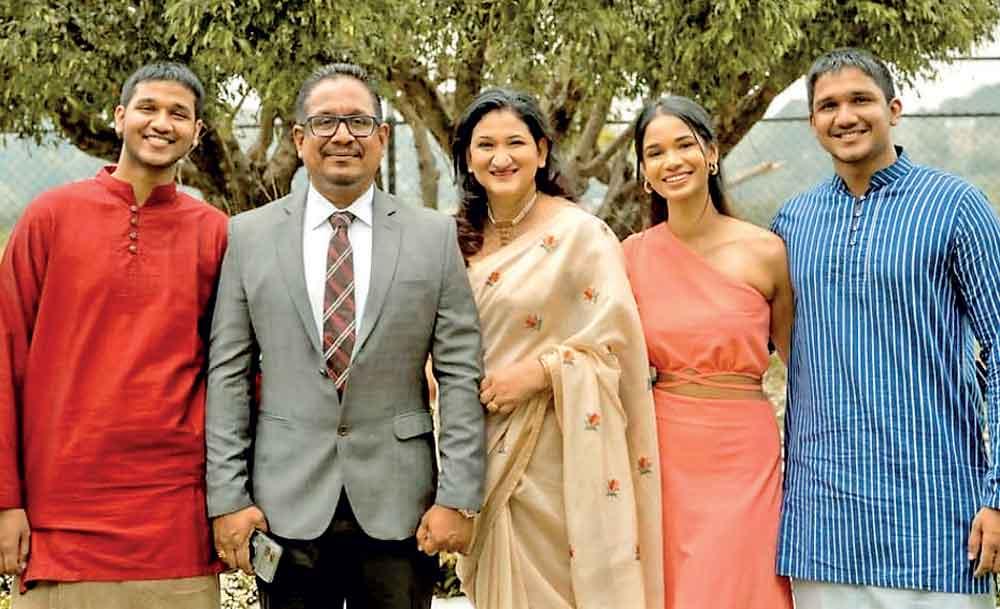
SARA was founded by me, along with my family, Buddhima, Anuki, Chethin and Lehan.
The estate we have is a coconut plantation in Weriyapola, but it consists of more than 300 fruit trees from different varieties. Even though the coconuts are given out, we do not target giving the fruit harvest outside for monetary gain. We usually distribute it among friends and family. Even still, we were always left with a lot of fruit and vegetables which went to waste.
Cooking being a hobby of mine, I used to come up with different sorts of fruit juices which were enjoyed by my close circle of friends and family. Realising that I have plenty of time left since the children are all grown up, I wanted to do something to occupy myself with and to use the skills that I am good at. With the biggest support from my husband and the 3 children, I started catering to the juice needs of my closest people. It was one of the humblest beginnings.
With COVID things became slow, but afterwards it started to move again...but during COVID, with the ample free time at hand as a family, we had the chance to discuss what we can do to improve what was slowly becoming something that I cherish. During that time, we came up with the label and different ideas for the betterment of our brand. Last year, Anuki, Chethin and Lehan made the social media pages, and to this day, they handle all marketing and sales-related matters, where I am the person behind the production.
Q Your story spans more than a century, from Don Gunathilake’s plantations in 1913 to today. How did that heritage shape the ethos of SARA?
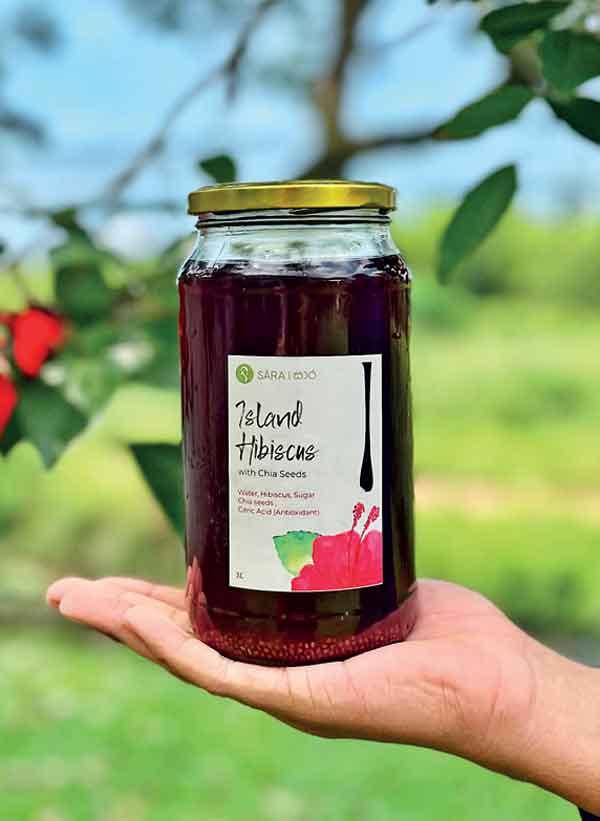
My husband's grandfather and my children’s great grandfather, Don Gunathilake, was a very inspirational character during his days. The amount of strength and resilience he showed in everything he did. There were so many articles written about him in different newspapers at that time. The hundreds of acres of land he cultivated, the old methods of farming that did not disturb our mother nature and the amount of humanitarian work he did for the villagers he served were so commendable. With the change of times and the modern society, we realised how difficult it is to maintain plantations and that made us realise as a family to come up with something special as a tribute to him. We have asked the villagers in and around the estate that had been coming down from the generations along with us to be part of our journey. We have also asked them to grow Hibiscus and katarolu on the promise of buying back. This is mainly done by women who are in dire need of financial assistance. SARA is not just a drink in a bottle... It’s a circle of different generational links.
Q What moment made you decide to formalise this family tradition into a brand?
 Actually, the turning point was when I read an article about Don Gunathilake, in the Dinamina newspaper published on 25th March, 1969. The heading was "Wagaawaka Kathaawa". The full-page newspaper cutting, which was safely kept by one of my husband’s aunts, was given to us since she had realised how much we enjoyed our involvement with the plantation. Not having the fortune of getting to know him personally since he was already deceased when I joined the family, but hearing all the stories and reading about him made me want to do something out of the ordinary so that we can continue the legacy he started.
Q The name SĀRA feels deeply symbolic. What does it represent?
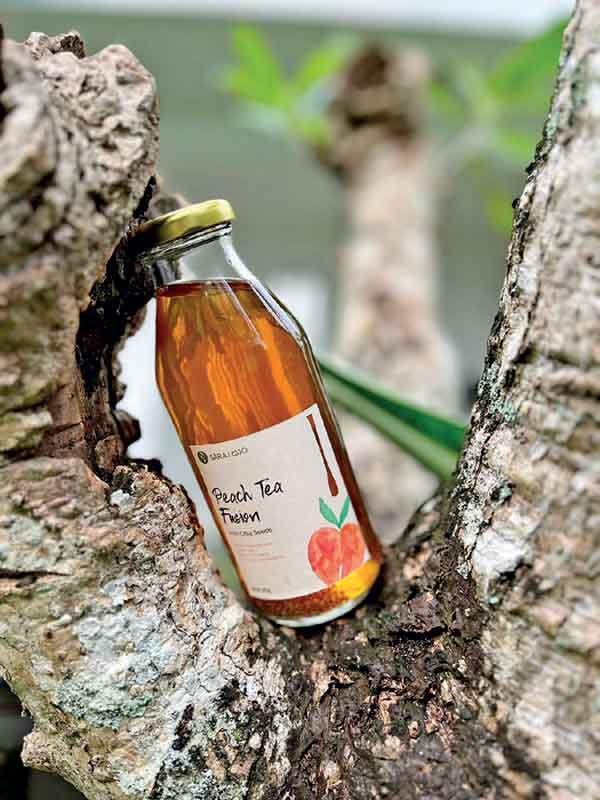
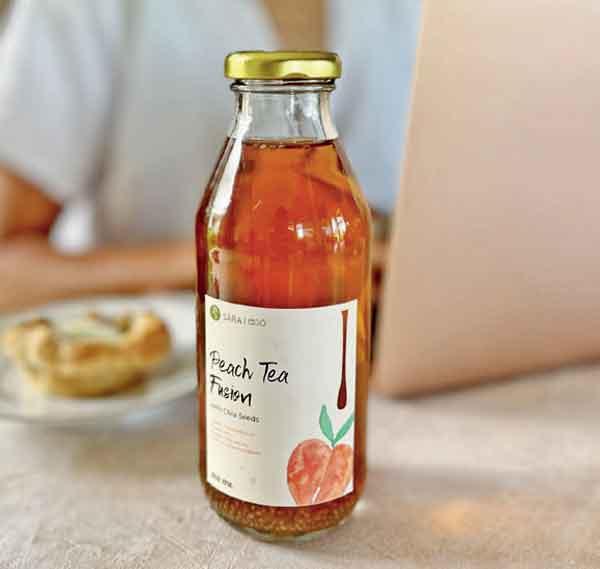
Derived from the Sinhala word for fertility, SARA is a range of 100% natural and locally sourced juices. For us, SARA is the fertile end product of love, respect and family togetherness that became the ultimate brand name that so many people had come to love. We were looking for brand names that had a touch of Sri Lankan flavour and were looking for something pronounceable for everyone.
Q Many wellness brands have emerged recently. What sets SARA apart?
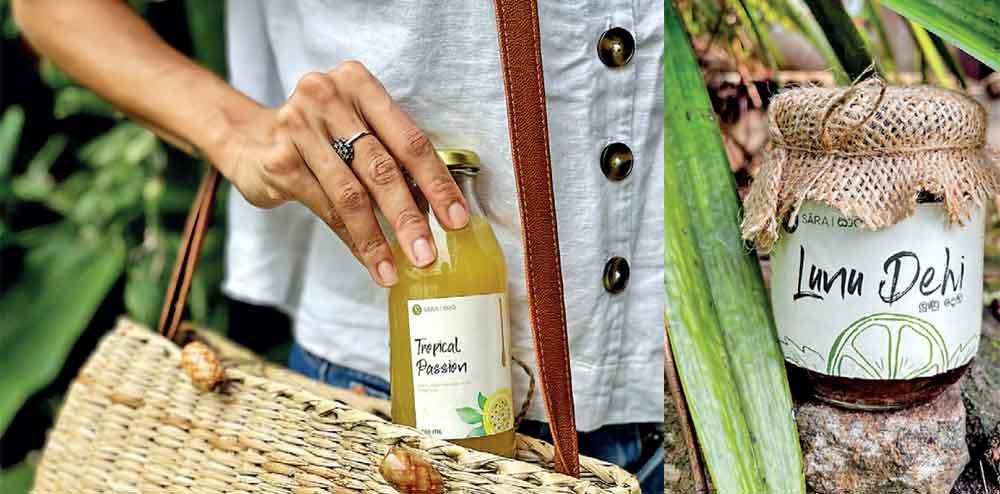
Yes! There are many wellness brands in the market now. What makes our brand different from most is the shelf life and how it is made. We do not make big batches. Each bottle is meticulously handcrafted using more than 80% of the harvest from our estate. Our shelf life is short compared to other brands. It ranges from 3 weeks to 3 months. That means fresher juices for all. It’s a special family method that we use without using any type of preservative. And another feature we have is the sugar-free option and the availability of different sizes.
Q How do you balance honouring your roots while embracing modern sustainability?
At SARA Ceylon, we honour our family’s agricultural roots by carrying forward the same respect for the land that our great-grandfather had when he planted those first Tamarind trees. We blend that heritage with modern sustainability and wellness practices, creating natural, mindful products that connect the wisdom of the past with the needs of today.
'' Derived from the Sinhala word for fertility, SARA is a range of 100% natural and locally sourced juices. For us, SARA is the fertile end product of love, respect and family togetherness that became the ultimate brand name that so many people had come to love. ”
Q What challenges have you faced in building SARA?
The biggest challenges we have are the unpredictability of the harvest. Since starting, with the increase in demand for our products, we have found it very difficult to supply at an uninterrupted pace. Right at the beginning, it was not a problem since it was a very small circle, but we made COVID a blessing by expanding the number of trees and planting more and more fruit trees during that time. Even though we were not able to personally visit, every instruction was given over the phone. With our trusted workers giving their best, we were equipped with more trees, which were ready to bear fruit by the time COVID ended. Since we are dealing with nature, it is very difficult during the drought season, but we are blessed with the Daduru Oya bordering one side of the estate. All year round, we are blessed with ample water.
08 Jun 2026 36 minute ago
08 Jun 2026 40 minute ago
08 Jun 2026 49 minute ago
08 Jun 2026 51 minute ago
08 Jun 2026 54 minute ago