16 Jan 2026 - {{hitsCtrl.values.hits}}
By Shabiya Ali Ahlam
Cyclone Ditwah has delivered a broad-based economic shock to Sri Lanka, damaging infrastructure in almost every affected community and crippling livelihoods across key local economies, a new UNDP assessment showed. This sharpens the case for fast, inclusive access to recovery financing.
The assessment found that 95 percent of respondents across 22 of the worst-hit districts reported damage to homes, roads and industrial or community infrastructure, disrupting supply chains, mobility and production.
Livelihoods were hit in 93 percent of areas, with losses spanning agriculture, livestock, wage employment and small businesses, much of it in the informal sector that underpins household incomes and local demand.
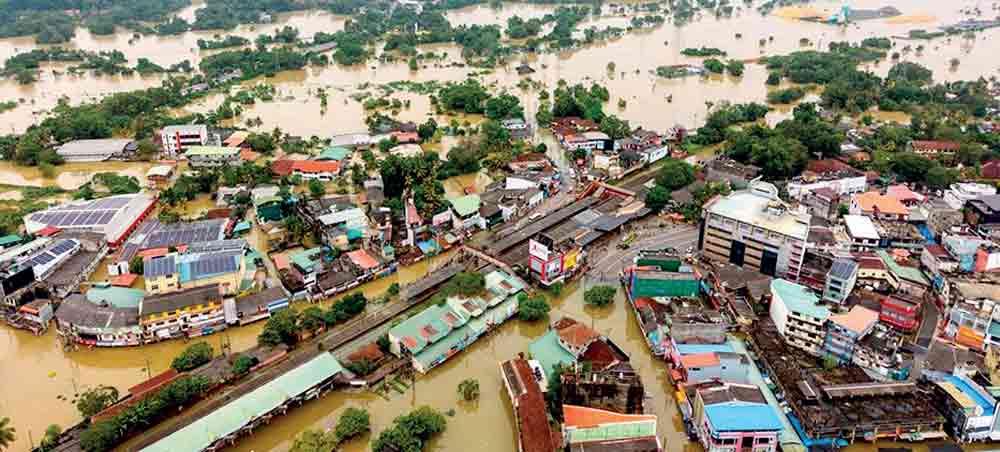
Ditwah, which struck on November 26, 2025, is Sri Lanka’s deadliest disaster since the 2004 tsunami. UNDP estimates floodwaters inundated nearly 20 percent of the country’s land area, exposing about 2.3 million people. The scale of damage has translated into a sharp erosion of productive capacity at community level, with recovery constrained by shortages of capital, materials and labour, the agency said.
“We welcome the Government of Sri Lanka’s announcement of Rs. 95 billion in support to MSMEs, including a 3 percent concessional loan scheme.
“But recovery will stall if financing does not reach the vast informal economy, which remains largely outside formal credit channels yet sustains local growth,” UNDP Resident Representative Azusa Kubota said in a statement issued this week.
UNDP warned that micro enterprises and small businesses face an urgent liquidity crunch, with limited access to low-cost credit to rebuild premises, replace equipment and restock inventories.
More than half of those surveyed said vulnerable groups, including female-headed households and persons with disabilities, were among the hardest hit, raising risks of deeper income inequality and a prolonged drag on consumption.
The assessment also flags rising debt stress. While 76 percent of respondents relied on government aid, 40 percent turned to informal lending, a trend UNDP said could weaken household balance sheets and slow the rebound of micro and small enterprises.
Beyond immediate losses, delays in approvals, weak institutional coordination and shortages of construction inputs are holding back reconstruction, while environmental damage and health risks threaten longer-term productivity.
UNDP said the findings highlight the need to move from relief to an economically anchored recovery, one that restores infrastructure, unlocks credit for small and informal businesses and embeds climate resilience, if Sri Lanka is to prevent a disaster-driven setback to growth and employment.
19 Jul 2026 1 hours ago
19 Jul 2026 1 hours ago
19 Jul 2026 3 hours ago
19 Jul 2026 5 hours ago
19 Jul 2026 6 hours ago