09 Apr 2026 - {{hitsCtrl.values.hits}}
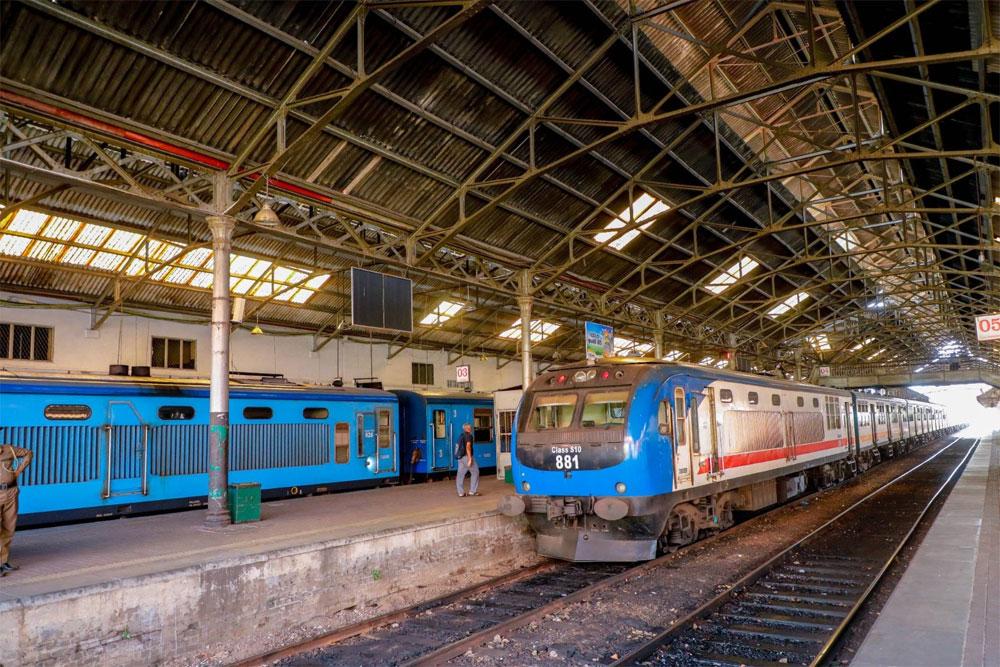
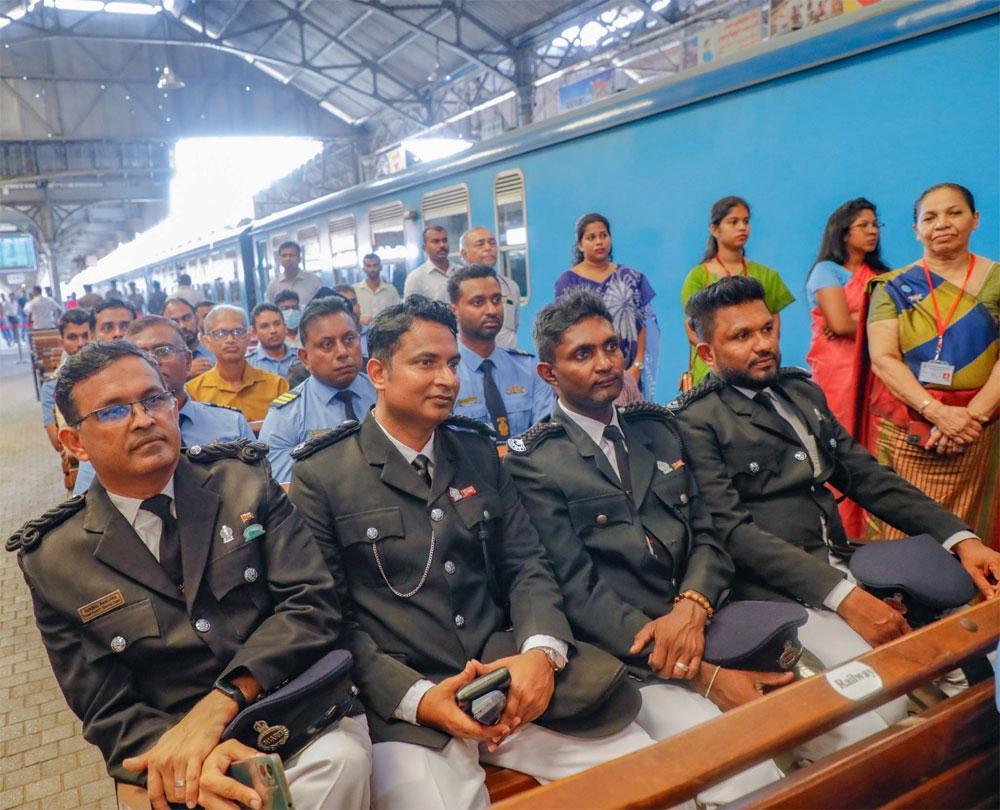
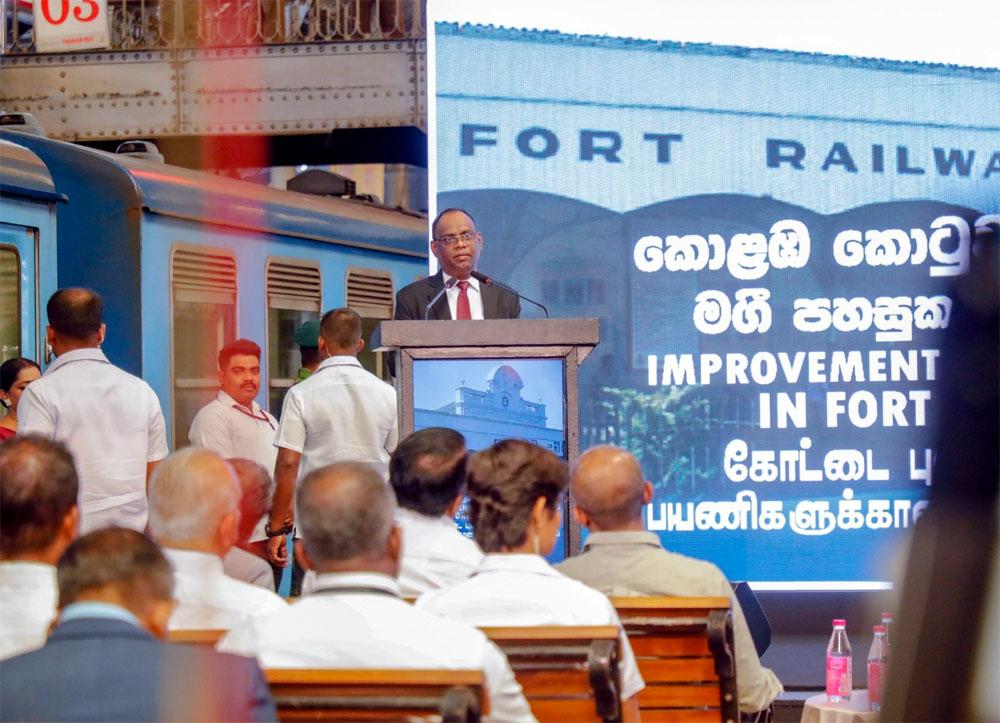
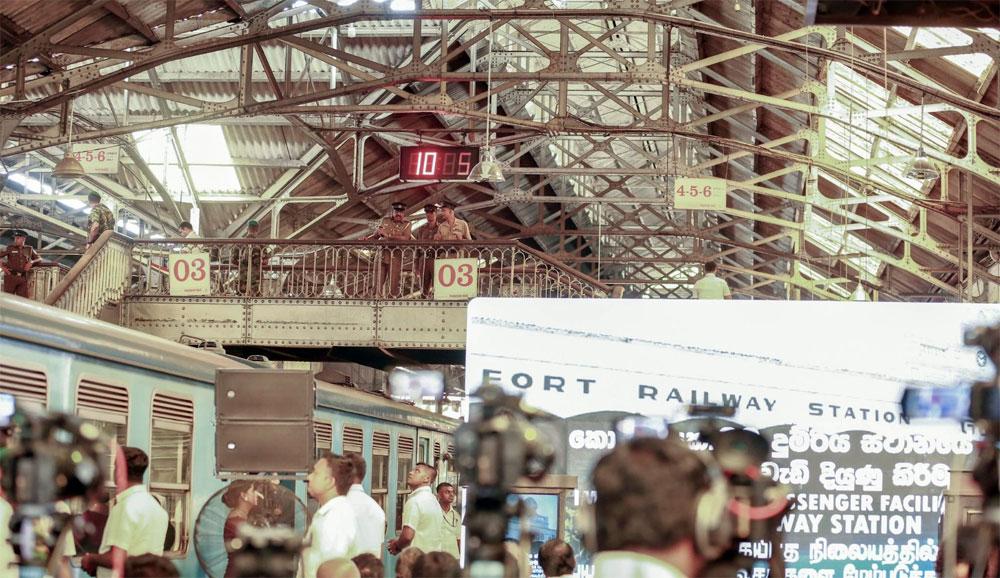
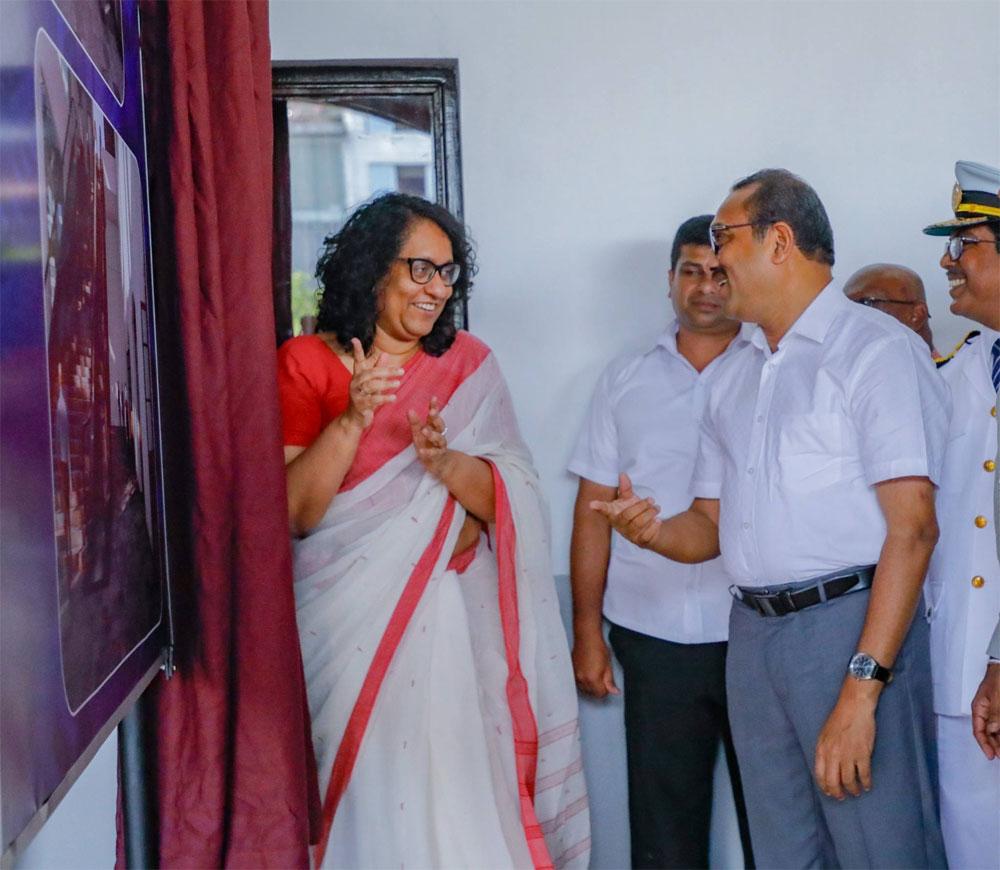
Colombo, April 9 (Daily Mirror) - The government officially commenced the modernization of the Colombo Fort Railway Station today, (April 9). The project's inauguration was presided over by Prime Minister Dr. Harini Amarasuriya at the station premises.
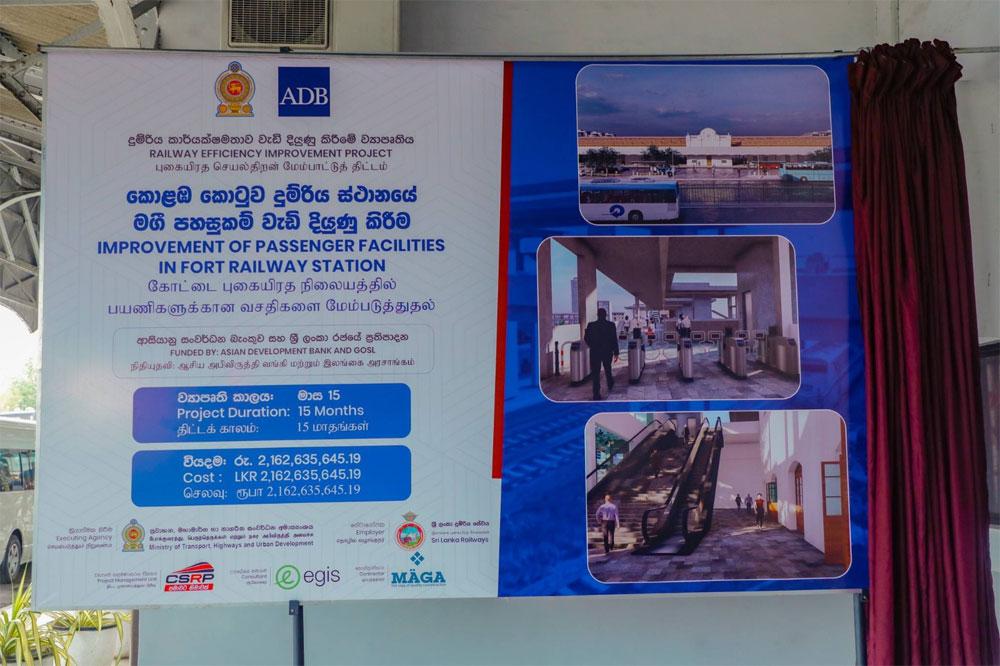
Under the guidance of the Ministry of Transport, Highways, and Urban Development's Project Management Unit, the Railway Efficiency Improvement Project is being implemented with the Sri Lanka Railways Department as the employer. Given the station's historical significance, all construction and renovations will strictly adhere to the guidelines and approved methods set forth by the Department of Archaeology.
A key highlight of the modernization is the construction of a new three-story service building designed to cater to the diverse needs of commuters. This facility will house passenger accommodations, rest areas, standardized restaurants, and modern sanitary systems. Furthermore, the building will include an information center, a pharmacy, and a postal service center, centralizing essential daily services for travelers.
Minister Bimal Rathnayake said to improve accessibility and movement within the station, the ancient iron pedestrian overpasses will be redesigned to include elevators and escalators. The new walkway system will provide access to all platforms and feature strategic exits: one end connecting toward Slave Island and D.R. Wijewardena Mawatha, and the other toward Maradana and Bastian Mawatha. Enhancing the station's technological infrastructure, the project will also introduce digital e-gate facilities for passengers.
The redevelopment also addresses external congestion by introducing a dedicated public vehicle yard. This area will provide secure parking facilities for three-wheelers, taxis, and private vehicles. The entire project is expected to be completed within 15 months at an estimated cost of Rs. 2,162 million. Funding is structured through an Rs. 1,500 million loan from the Asian Development Bank (ADB), with the remaining Rs. 662 million provided by the Government of Sri Lanka.
16 Jun 2026 3 hours ago
16 Jun 2026 3 hours ago
16 Jun 2026 4 hours ago
16 Jun 2026 5 hours ago
16 Jun 2026 5 hours ago