22 May 2026 - {{hitsCtrl.values.hits}}
By Panduka Keerthinanda
Colombo, May 22 (Daily Mirror) - As the nation grapples with a volatile cocktail of fiscal mismanagement, soaring inflation, an escalating energy crisis, high taxation, and the looming threat of El Nino, economic forecasters are revising their growth projections for 2026. In this week’s analysis, One could examine the entangled challenges threatening the island’s fragile recovery and asks the critical question on every citizen’s mind, "how do we move forward"
At first glance, the macroeconomic indicators offer a picture of stabilization. The government achieved a primary surplus for the third consecutive year, and the current account recorded a surplus for the first time since 1987. However, beneath the surface-level data, the situation for ordinary citizens tells a different story. The economy, which showed promising growth in 2024 and 2025, is now facing significant headwinds. Headline inflation reached 5.4% in April, exceeding the Central Bank’s target.
The energy crisis has returned with a vengeance. Escalating geopolitical tensions in the Middle East have driven up global oil prices, forcing the government to act. While the government announced a three-month fuel subsidy to provide relief, the policy is straining its fiscal position and risks conflicting with the IMF’s insistence on cost-recovery pricing. Last month, the government brought in 38,000 metric tonnes of petroleum from India to keep the nation running.
Meanwhile, high taxation continues to squeeze households and businesses. The opposition parliamentarians have described the proposed VAT amendments as “extraction” that could “suffocate” businesses. The move to cut the VAT registration threshold is expected to drag thousands of new SMEs into the tax net.
Sri Lanka is also battling the environmental front on multiple axes. The Meteorological Department has warned that the development of an "El Nino" event during the southwest monsoon could trigger a prolonged drought, threatening paddy cultivation and hydro power generation. Adding to the challenge, activists have raised concerns over the burning of low grade coal at the Norochcholai power plant, which they warn threatens the health of nearly 200,000 people.
Given this complex web of challenges, where can the government find a way out? The solutions may lie in three interconnected priorities;
1. Accelerating the Green Energy Transition
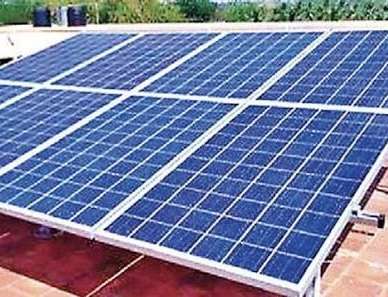
The most obvious long-term solution to the energy crisis is to reduce our dependence on costly fossil fuel imports. The government’s recent move to invite domestic and global investments for Green Hydrogen and Ammonia projects is a step in the right direction. With a target of 70% renewable energy generation by 2030, the government must prioritise the necessary grid upgrades to integrate this capacity. A shift to renewables would not only insulate the country from global oil price shocks but also significantly reduce the pollution caused by thermal power generation.
2. Shifting to Targeted Relief and Cutting Waste
The Finance Ministry must strike a delicate balance between IMF conditions and social stability. Rather than blanket, untargeted fuel subsidies that risk eroding the fiscal buffers, the administration should focus on protecting the most vulnerable. A permanent, well-targeted cash transfer system is a more efficient way to absorb shocks without draining the treasury or encouraging fuel waste.
3. Economic Reforms and Digitalisation
To overcome stagflation, the economy must become more competitive. Streamlining the business climate to attract foreign direct investment and accelerating the digitalisation of government services can cut red tape and improve efficiency. Furthermore, finalising pending Free Trade Agreements with key partners like India and operationalising existing ones with Singapore will signal to investors that the country is open for business.
As Central Bank Governor Nandalal Weerasinghe aptly noted, the forecast remains “hard to predict” due to global instability. While the path ahead is fraught with danger, a disciplined focus on renewable energy, smart subsidies, and decisive economic reforms offers the best chance for Sri Lanka to weather this perfect storm.
The only viable path forward is a bargain between ideology and survival:
Sri Lanka can navigate this crisis only if all parties accept that in a crisis, a reasonable solution today is infinitely better than a 100% solution never. Let us take the bargain. The alternative is not a better deal. The alternative is the abyss.
04 Jun 2026 15 minute ago
04 Jun 2026 56 minute ago
04 Jun 2026 1 hours ago
04 Jun 2026 1 hours ago
04 Jun 2026 2 hours ago