28 Jun 2025 - {{hitsCtrl.values.hits}}
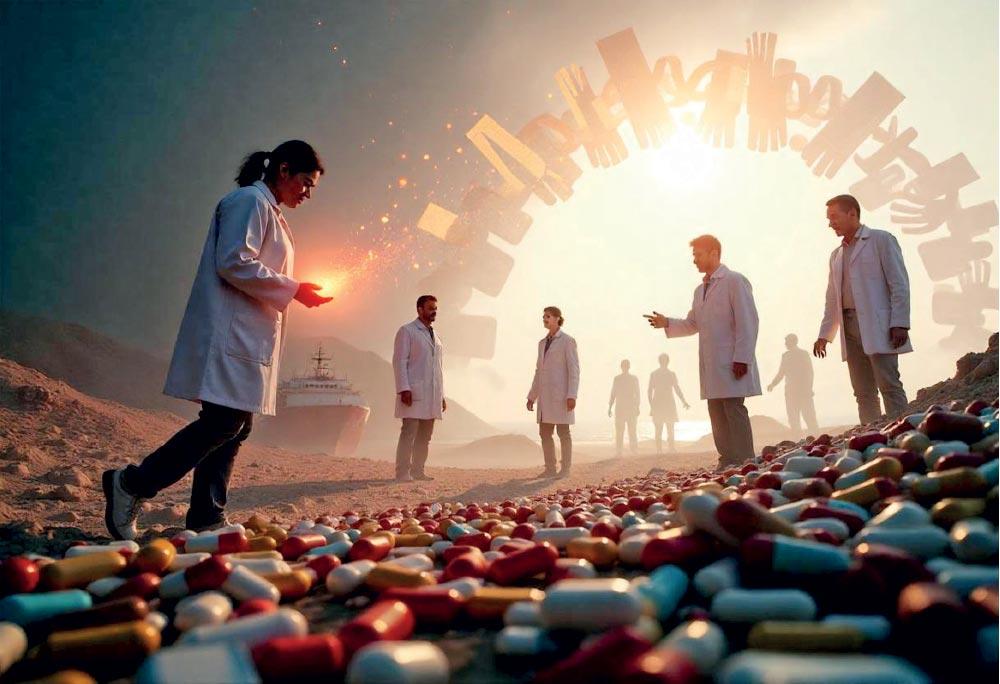
Pharmaceutical Society of Sri Lanka (PSSL) Charts a New Course in Pharmacy: PSSL 2025 Scientific Sessions Spotlight Rational Drug Use, Innovation, and Global Collaboration
|
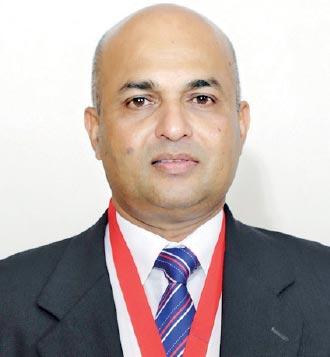
Priyantha Sahabandu |
|
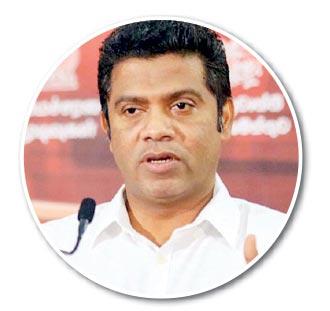
Nalinda Jayatissa |
|
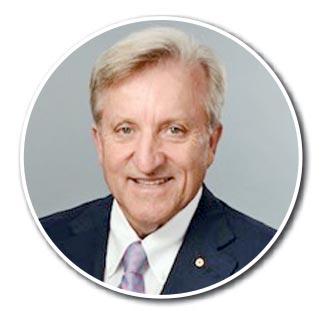
Paul-Sinclair |
|
Yolanda R. Robles |
|
Annagrace Malamsha |
Sri Lanka’s increasing pharmaceutical consumption—now deemed above-normal—highlights the urgent need for evidence-based prescribing, rational drug use, and cost-efficient procurement strategies. The health sector currently manages 863 generic pharmaceutical categories, two-thirds of which are imported, pointing to a significant dependency and an opportunity for reform. The development of a new pharma- guide can halve the number of generic categories saving on costs for the nation.
In the development of quality medication, professionally qualified pharmacists play a pivotal role. The role is now in the spotlight as the Pharmaceutical Society of Sri Lanka (PSSL) is getting ready conducts its flagship event, the Annual Scientific Sessions tomorrow (June 29) at Waters Edge, Battaramulla.
Priyantha Sahabandu, its President, said this gathering represents a key milestone in the Sri Lankan pharmaceutical calendar, uniting pharmacy professionals, academics, and students from both local and international spheres.
This year’s sessions will feature an esteemed line-up of international speakers representing globally recognised institutions, including the Commonwealth Pharmacists Association (CPA), Federation of Asian Pharmaceutical Associations (FAPA), Collaboration of Australians and Sri Lankans for Pharmacy Practice, Education and Research (CASPPER), Pharmaceutical Association of Thailand under Royal Patronage, Japan Pharmaceutical Association, and the Pharmaceutical Society of Taiwan.
Minister of Health and Mass Media Dr Nalinda Jayatissa will attend the event underscoring the national significance of advancing the pharmacist’s role in healthcare, and strengthening pharmaceutical education and professional practice in Sri Lanka, according to him.
Attendees will include members of the Society, as well as undergraduate and graduate students of pharmacy from the universities across the country.
The event aims to reaffirm the critical role of pharmacists as accessible, knowledgeable, and trusted healthcare professionals who play a pivotal role in ensuring medication safety and improving therapeutic outcomes. The sessions is expected to provide a dynamic platform for knowledge exchange, professional networking, and the dissemination of cutting-edge advancements in pharmaceutical sciences.
Discussions will emphasise the importance of safe and quality use of medicines in achieving better patient outcomes, he said.
With a strong commitment to international collaboration and academic excellence, the 2025 Annual Scientific Sessions are poised to foster impactful dialogue and inspire innovative approaches to pharmacy practice, ultimately contributing to enhanced patient safety and healthcare delivery in Sri Lanka and beyond, he said.
In the meantime, making his remarks to Daily Mirror on the importance of a PharmaGuide for Sri Lanka, he said his Society releases PharmaGuide newsletter for the benefit of healthcare professionals and patients alike with information on the latest medication, their uses, and potential side effects. There are also updates on ongoing and completed trials.
Responding to a query on how Sri Lanka can reduce import dependency on pharmaceuticals, he spelled out strategies such as strengthening local production.
Investing in infrastructure is key in this regard. He highlights the need to upgrade existing facilities and build new ones to meet international standards, enabling local manufacturers to produce high-quality medicines. Tax breaks, subsidies, or other benefits are cited as incentives to encourage local production and investment in the pharmaceutical sector.
He emphasised the need to train and educate personnel in pharmaceutical manufacturing, quality control, and regulatory affairs. He called for simplification and expedition of the registration process for locally manufactured pharmaceuticals, reducing bureaucratic hurdles. He also called for implementing quality control measures to ensure that local manufacturers adhere to strict quality standards, building trust in domestic products.
Strengthening regulatory bodies, such as the National Medicines Regulatory Authority (NMRA), to oversee the pharmaceutical industry effectively was also highlighted by him.
Import control measures
Implementing import restrictions: Limit the importation of pharmaceuticals that can be locally produced, protecting the domestic industry. Promoting local procurement: Encourage government hospitals and healthcare institutions to prioritize locally manufactured pharmaceuticals in their procurement processes.
Regulating personal imports: Strictly enforce regulations on importing medicines for personal use, ensuring that only authorised importers bring in pharmaceuticals ².
Other Initiatives
Developing a national pharmaceutical policy: Create a comprehensive policy outlining the country’s vision, goals, and strategies for the pharmaceutical sector.
Enhancing public-private partnerships: Foster partnerships between government agencies, local manufacturers, and international organisations to improve the pharmaceutical industry. By implementing these strategies, Sri Lanka can reduce its reliance on imported pharmaceuticals, promote local production, and improve the overall quality of healthcare.
Lastly, by supporting the local manufacturing industry in all possible ways, PSSL is willing to contribute to the growth and development of the pharmaceutical sector in Sri Lanka, ultimately benefiting the country’s healthcare system and the economy.
Antibiotic use assessment
According to Mr. Sahabandu, the use of antibiotics in Sri Lanka is a pressing concern, with both human and animal sectors contributing to the growing issue of antimicrobial resistance (AMR).
Overuse and misuse: Studies have shown that antibiotics are often prescribed based on memory rather than guidelines, and cultures are not always ordered when necessary. This can lead to incorrect dosing and increased risk of AMR.
Lack of facilities and resources: Many hospitals in Sri Lanka lack microbiology laboratory facilities, making it challenging for doctors to make informed prescribing decisions. Self-medication: Obtaining antibiotics without a prescription and self-medication are common practices among the public, further exacerbating the AMR problem. High antibiotic consumption: Sri Lanka’s antibiotic consumption in poultry farming is significantly higher than in countries like Norway.
Efforts to Address AMR
Sri Lanka has developed a National Action Plan to combat AMR, which includes surveillance, awareness, and stewardship programmes. Surveillance guidelines: The country has established surveillance guidelines and platforms in line with World Health Organisation (WHO) and World Organisation for Animal Health (WOAH) recommendations.
Research and collaboration: Studies have been conducted to understand AMR patterns and promote collaboration between human and animal health sectors. There are efforts underway to address AMR in Sri Lanka, yet more work is needed to promote responsible antibiotic use, improve prescribing practices, and enhance surveillance and stewardship programs. In Sri Lanka OTC (Over the Counter) medicines are pharmaceutical products that can be purchased without a prescription from a healthcare professional. These are typically used to treat minor health issues Few examples are medicines used to treat pain, cold and flu and vitamin deficiency.
They are considered safe for use without medical supervision, provided patients follow the recommended usage instruction. The NMRA regulates OTC medicines in Sri Lanka ensuring that they meet safety, efficacy and quality standards.
On the other hand, misuse of non-OTC medicines, that is prescription only medicines have become a significant issue. Over- prescription, self-medication, sharing medicines and not following dosage instructions are common, and these lead to adverse reactions and antibiotic resistance. Ultimately, it becomes a health care burden to the country. Proper education, awareness and strict regulatory measures are important to mitigate this issue, according to Mr. Sahabandu.
Pharmacists are central to achieving better health outcomes -the Commonwealth Pharmacists Association
Annagrace Malamsha, the President Commonwealth Pharmacists Association, in his message of congratulation said, “On behalf of the Commonwealth Pharmacists Association, I extend my heartfelt congratulations and best wishes to the Pharmaceutical Society of Sri Lanka as you gather for your Annual General Meeting and Scientific Session.
This event marks a significant moment to reflect on the achievements of the past year, explore emerging priorities, and reaffirm your dedication to advancing pharmacy in Sri Lanka. At a time when global health systems are under pressure and the need for strong, innovative pharmaceutical leadership is greater than ever, your work is both vital and inspiring.
Sri Lanka has a proud history of healthcare excellence, and its pharmacists continue to play a crucial role in improving access, safety, and quality across the system. From tackling medication-related harm to supporting patient-centred care, pharmacists are central to achieving better health outcomes—and your Society continues to lead in fostering professional development, collaboration, and advocacy.
I am especially pleased to see the strong involvement of students and early-career pharmacists in your activities. Their voice, vision, and leadership are essential to the future of our profession across the Commonwealth. Equally, I wish to recognize the immense value that senior and experienced pharmacists bring through their expertise, and legacy of service. I encourage you to continue guiding, mentoring, and empowering the younger generation—so that together, we can build a stronger, more impactful pharmaceutical workforce for the future of global health.
Please know that the CPA stands in solidarity with you. We are proud to work alongside the Pharmaceutical Society of Sri Lanka in pursuit of shared goals—and we are committed to championing your voice on the international stage.”
“Think Health, Think Pharmacy”
Paul Sinclair, the President of the International Pharmaceutical Federation (FIP), said in his message, said the event marks an important opportunity to celebrate society’s achievements, and reaffirm its collective commitment to advancing the pharmacy profession for 23 years. The Pharmaceutical Society of Sri Lanka has been a valued member of FIP, contributing to our shared goals of improving health, through excellence in pharmacy education, science and practice.
Your commitment to advancing professional development, contributing to public health, and fostering scientific dialogue is truly admirable.
The design of your Annual General Meeting bringing together governance, knowledge exchange, celebration of excellence and professional fellowship, reflects the strong values, and forward-looking vision, that underpin a dynamic and engaged pharmacy community, I would also like to highlight FIP’s global campaign ‘Think Health Think Pharmacy’. This initiative calls on governments, policy makers and health leaders to fully recognise the vital role of pharmacists in achieving better health outcomes.
It focuses on areas where pharmacists have a significant impact such as antimicrobial resistance, vaccine equity, access to essential medicines and non-communicable disease management, I encourage you to explore this campaign and amplify its message within Sri Lanka. Sharing this campaign through your networks will help raise awareness of the profession’s contributions, and reinforce its importance within national health strategies. Pharmacists hold a unique position within communities, and your voice can help ensure they are fully integrated in the future, health planning and policy, as you reflect on your progress and plan for the year ahead. “I encourage you to continue championing the profession, strengthening collaboration and investing in leadership, your work plays an essential role not only in national health, but in advancing the profession of pharmacy globally,”
In another congratulatory message, Yolanda R. Robles, the President of the Federation of Asian Pharmaceutical Associations Bureau, said that they had witnessed the enduring passion and effort of Sri Lanka to advance pharmacy practice and education in your country.
With a dedicated set of officers and supportive members, and a strong international network, nothing is impossible as you aspire for better pharmacy services and their positive health outcomes for your people.
“As you meet together for the PSSL Annual Meeting, I hope that you will be inspired by the programmes and activities you had achieved as an organisation and also, renew your commitment and camaraderie for better collaboration.
“As you participate in lifelong learning through your scientific sessions, you are actually elevating your professional value which will later be felt by the people and patients you serve. “I encourage you to keep building on the meaningful work you’ve already begun. Let your vision as an organization guide you forward—relentlessly, until your greatest aspirations become a reality. “Our congratulations to your awardees who will be honored in your gathering and most of all, we express our sincere thanks to your organisation for being an active member of FAPA all these years,” she concluded.
09 Jun 2026 22 minute ago
09 Jun 2026 2 hours ago
08 Jun 2026 08 Jun 2026
08 Jun 2026 08 Jun 2026
08 Jun 2026 08 Jun 2026