26 Jun 2025 - {{hitsCtrl.values.hits}}
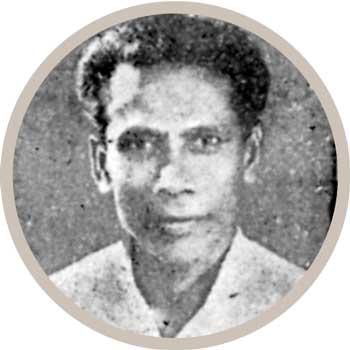 By Ruberu Thanthirige
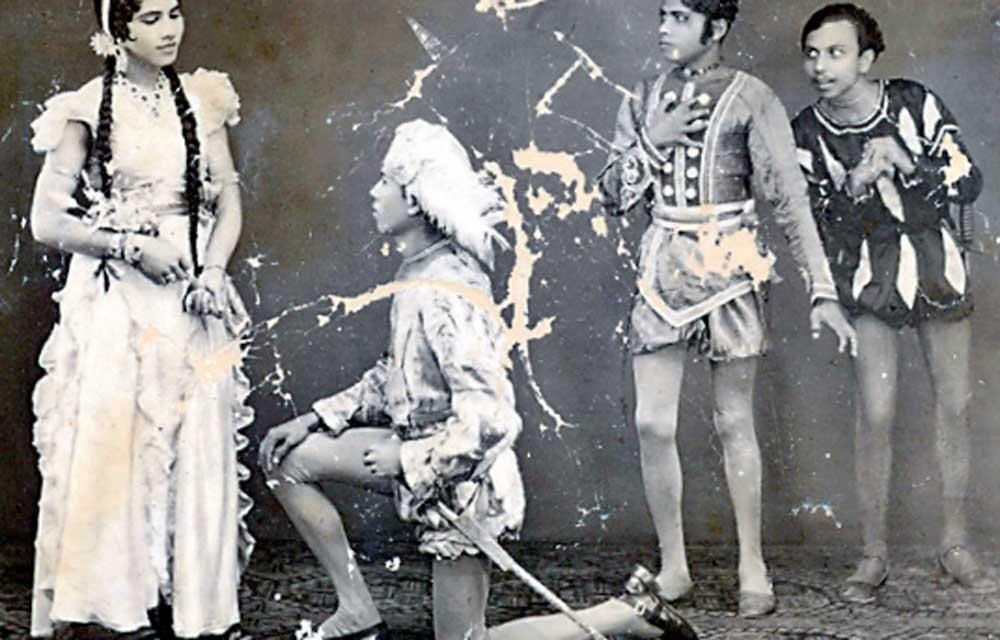
As the 1960s dawned, the Tower Theatre troupe and stage performers had scattered into isolation, with no hope for the future of the industry.
But through the unwavering efforts of one man, a historic era was reborn.
In 1927, renowned Indian dramatist “Buta bai” extended his cordial invitation to K.A. Edwin Perera, popularly known in the Tower Hall era as Edwin Kulathunga Arachchi, who had lately become the hidden force in the Re-Creation of “Arya Sinhala Natya Sabhawa” to function together with his children’s Drama group.
Edwin Kulathunga Arachchi was an artist in the Proper sense of the word, with a generous heart and tremendous willpower that showed in his untiring efforts to bring together those scattered Tower Hall performing artists during his time.
While he was in his tender youth, he travelled across the island to perform in the Tower Hall stage plays arranged with his direct participation. Not only did he perform in those plays, he also toiled in management responsibilities as manager of the “Sinhala Natya Sabhawa”.
It was reported in newspaper articles during that period that Edwin Kulathunga Arachchi actively participated in taking Tower Hall Plays to distant places such as Tangalle, Badulla, Yatiyantota, Giriulla, Padukka and elsewhere, bestowing a prominent place to “Sinhala Natya Sabhawa”.
From 1926 to 1972, the Service he rendered in the promotion of publicity to Sinhala Stage plays was enormous. With the assistance he received at the beginning from the above-mentioned theatre ensemble, Edwin Kulathunga Arachchi was able to arrange several meetings of the “Sinhala Artists Front”, the most popular young artists’ society at that time. At the inaugural meeting of that society, Edwin Kulathunga Arachchi said, “This is an unforgettable day in my life because I love to be among children and admire their skills in performing arts”.
Having understood the talents of such young performers. He worked tirelessly to get them together and train them to perform in stage plays. In doing so, his sole aim was to try and lift the stage plays of the Tower Hall Era to achieve greater appreciation among the general public and to change the mindset, at least to love, if not respect, Sinhala stage plays at that time. With the re-establishment of “Arya Sinhala Natya Sabhawa” in 1964, it seemed that his aim was flourishing. This becomes quite clear through the letters received and published in appreciation of his efforts. Newspapers, too, gave reasonable publicity for the reawakening endeavour that was spearheaded by Edwin Kulathunga Arachchi. It was not at all an easy performance, but his determination was so strong that no obstacle could dampen his enthusiasm to popularise Sinhala stage plays not only in the towns, but in the remote areas in the countryside, too.
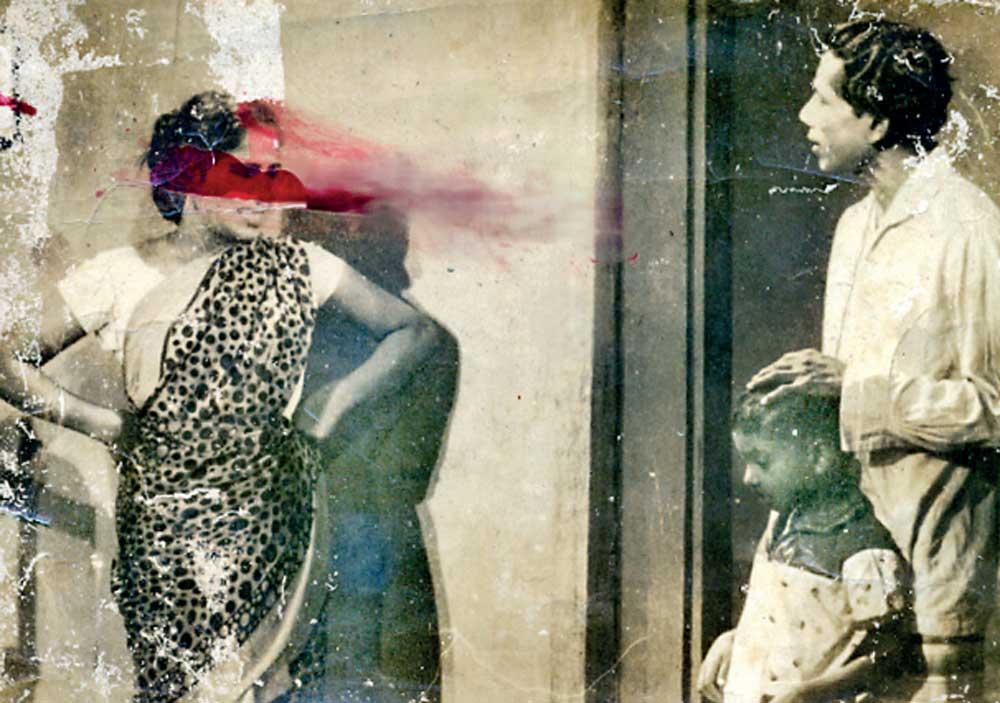
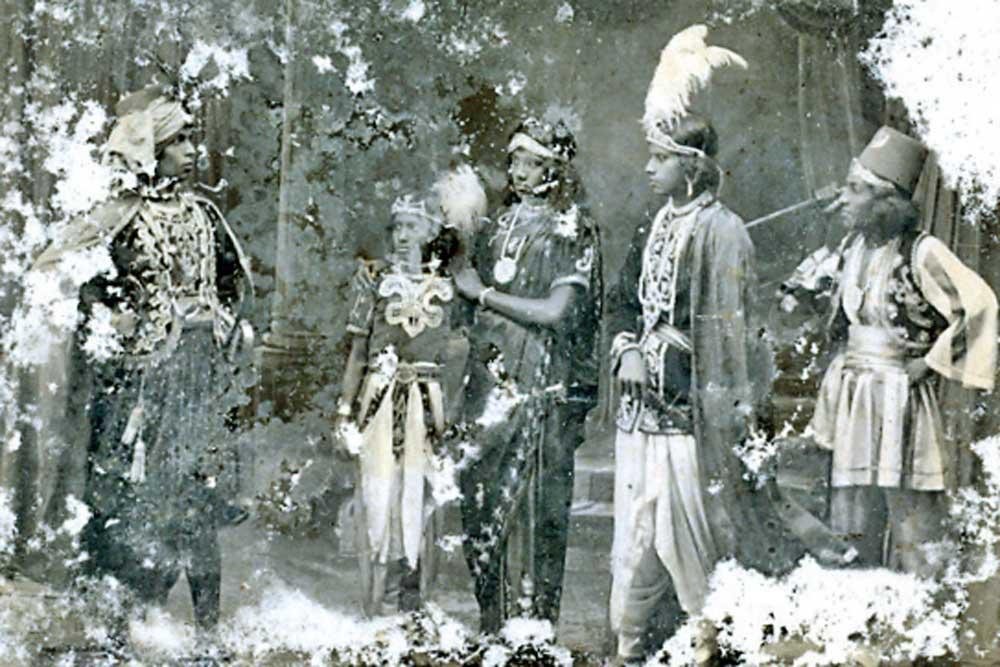
But he encountered a difficult barrier when stage performing artists were misled by bogus associations started by fictitious individuals.
This situation was clearly understood by a few critics at that time, and one of them was ‘Yukthigaruka’. Under the pseudonym of ‘Ukthigaruka’, the writer commented once in ‘Kala Vahini’ Magazine, saying that, “This new beginning is the second stage of Tower Hall history.” His article went on to say that its long-standing performers were forced to hide their talents owing to the hidden envy and arrogance prevailing among some of the artists themselves.
“And this time we are fortunate to have a man with sincere courage to uplift the situation that has been corrupted for a long time”. Edwin Kulathunga Arachchi created a history in the Tower Hall theatre culture and was favoured by fortune to continue the functions of “Arya Sinhala natya Sabhawa” and to work tirelessly as its secretary beginning with 1964 up to his death on June 26, 1972.
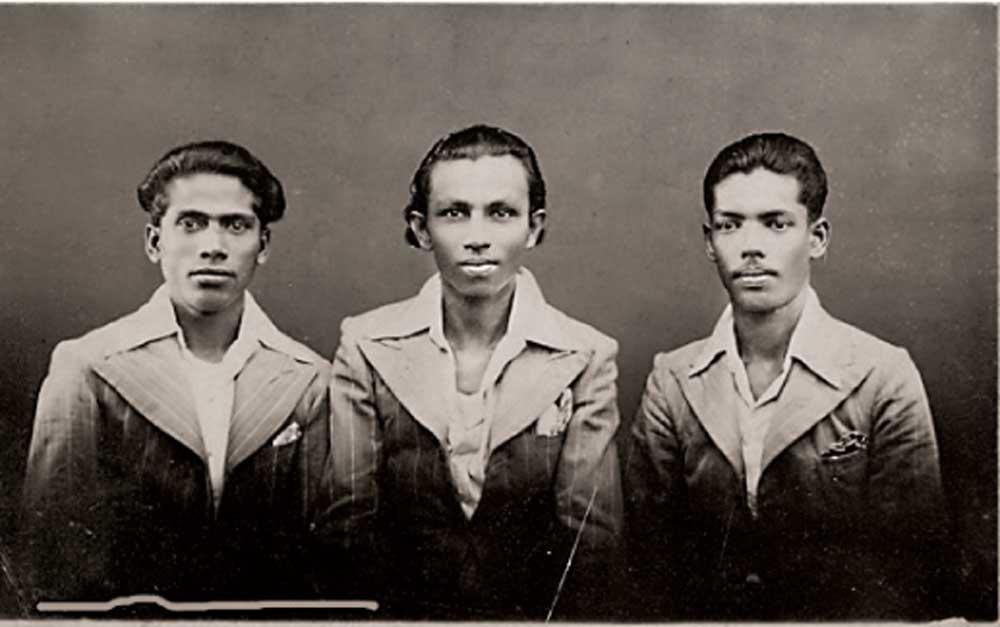
He pioneered the struggle to force the Government to take over the Tower Hall. He actively engaged in this endeavour as he convinced himself that such a move would create the long-awaited background to develop Tower Hall to the level of a cultural centre, which could pave the way to stage again those popular plays from its glory days. One of his pressing ambitions was to develop a centre to train children in the performing arts. It is a matter of sadness that the portrait gifted by the family of this artist, who rendered an indelible service to the Tower Hall Theatre for 46 years, is no longer visible in the Tower Hall premises today.
The writer, Ruberu Thanthirige, is the former Editor of
“Soviet Deshaya” magazine.
09 Jun 2026 23 minute ago
09 Jun 2026 2 hours ago
08 Jun 2026 08 Jun 2026
08 Jun 2026 08 Jun 2026
08 Jun 2026 08 Jun 2026