Reply To:
Name - Reply Comment
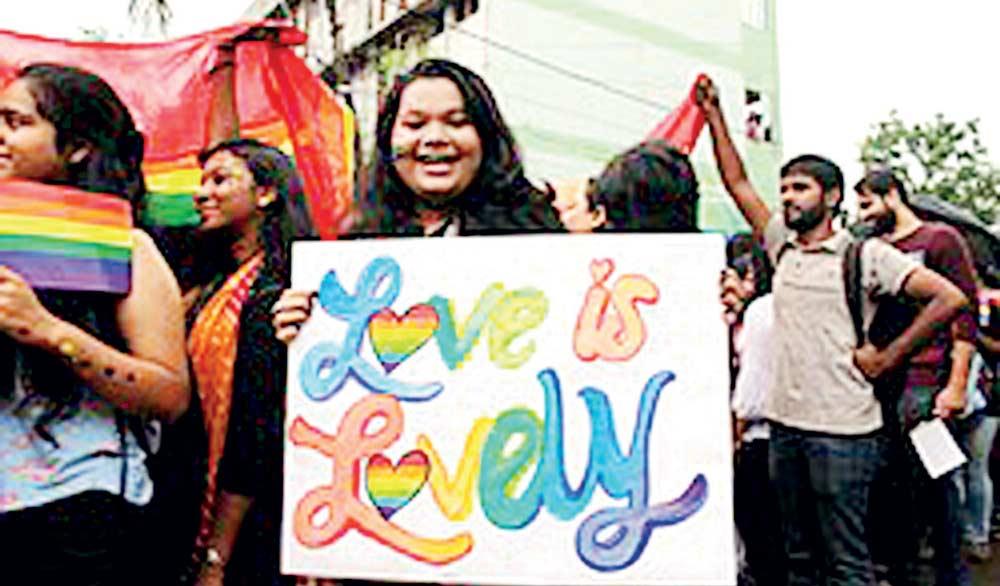
Bhubaneswar Pride Parade 2019
 India, long known for its cultural diversity, is now carving a place for itself as an emerging LGBTQ+ tourism destination. With legal reforms, shifting public attitudes, and a growing number of businesses catering specifically to LGBTQ+ travellers, the country is steadily positioning itself as a safe and rewarding holiday choice for Queer visitors.
India’s struggle with LGBTQ rights has been one of the most dramatic legal and social transformations of the past two decades. While the country still stops short of granting full marriage equality, the progress achieved—largely through the judiciary rather than parliament—marks a significant departure from its colonial past. Challenges remain: homophobia and transphobia are still present in parts of society, and India does not yet recognise same-sex marriage. But businesses, activists, and international networks are filling the gaps, creating a more welcoming environment for LGBTQ+ visitors.
Legal Landscape: Rights but No Marriage
Same-sex relations are legal, and courts recognise LGBTQ couples as “live-in partners,” a limited but important step toward family recognition. Marriage, civil unions, and common-law status, however, remain out of reach. The Supreme Court’s Deepika Singh v. CAT ruling in 2022 broadened the definition of “family” to include LGBTQ partners, offering some social security rights. Yet same-sex marriages — even when performed in Hindu ceremonies — remain legally unregistered.
The Transgender Persons (Protection of Rights) Act, 2019 gave transgender Indians the constitutional right to self-identify, obtain government IDs reflecting their gender, and access state benefits. Several states provide additional support, including housing, pensions, and free surgeries, particularly for hijras, South Asia’s traditional third gender. According to the 2011 Census, about 480,000 transgender people live in India, though activists say the number is far higher.
Ancient Traditions and Colonial Shadows
India’s relationship with gender and sexuality is far older and more nuanced than many assume. Pre-colonial traditions recognised gender variance and diverse sexualities. Hindu epics mention figures like Shikhandi, who changes gender in the Mahabharata, while Bahuchara Mata is worshipped as the patron goddess of hijras. Ancient texts such as the Kama Sutra described homosexual, bisexual, transgender, and intersex individuals under the category tritiya-prakriti, or “third nature.” Temples at Khajuraho even depict same-sex erotic imagery.
Islamic law introduced during Mughal times prescribed harsh penalties for same-sex acts, and the Fatawa-e-Alamgiri codified flogging or death for homosexuality. Portuguese India also punished sodomy during the Inquisition. But the most enduring stigma came from British rule.
In 1861, the British imposed Section 377 of the Penal Code, criminalising “carnal intercourse against the order of nature.” Beyond law, colonial authorities branded hijras a “criminal tribe” in 1871. This Victorian morality outlasted colonialism, remaining law in independent India for more than 70 years.
Section 377: From Criminalisation to Freedom
In 2009, the Delhi High Court struck down Section 377 in the landmark Naz Foundation v. Govt. of NCT Delhi case, declaring it unconstitutional. The ruling was celebrated with the first “Indian Coming Out Day” on July 2. Yet in 2013, the Supreme Court reversed the decision, recriminalising homosexuality. The Court dismissed concerns, claiming the law affected only a “minuscule fraction” of citizens.
Activists pushed back. In 2015, MP Shashi Tharoor attempted to repeal Section 377 in parliament, but his bill was rejected. Change came instead through constitutional arguments. In 2017, the Supreme Court ruled privacy a fundamental right, explicitly including sexual orientation under its protection.
The breakthrough came on September 6, 2018, when a five-judge bench of the Supreme Court unanimously struck down Section 377 as unconstitutional. Chief Justice Dipak Misra called it “irrational and arbitrary.” Justice Indu Malhotra said, “History owes an apology to members of this community.” Justice D.Y. Chandrachud affirmed that sexual orientation was “immutable” and discrimination violated the Constitution. The Court instructed the government to raise awareness, reduce stigma, and sensitise law enforcement.
Recent Court Battles and Limitations
Despite these victories, same-sex marriage remains outside legal recognition. In October 2023, the Supreme Court ruled unanimously against legalising same-sex marriage, stating that while LGBTQ citizens have constitutional rights, marriage law reform is a matter for parliament and state legislatures.
Still, lower courts have occasionally pushed boundaries. In 2011, a Haryana court recognised same-sex marriage between two women and granted them police protection against threats from family and khap panchayats—traditional village councils notorious for enforcing honour-based violence. In 2020, the Uttarakhand High Court ruled that same-sex marriage was not legal but protected live-in relationships. In 2023, the Madras High Court proposed a “deed of familial association” to give same-sex couples limited recognition.
India’s Emerging LGBTQ+ Tourism Industry
The turning point came with the Supreme Court’s 2018 ruling decriminalising same-sex relations by striking down Section 377. This landmark judgment, along with the recognition of a third gender and the Transgender Persons Act of 2019, signaled a broader cultural shift toward acceptance. These legal milestones, while far from delivering full equality, have created space for businesses and communities to embrace LGBTQ+ travellers more openly.
Rise of LGBTQ+ Travel Agencies
Today, specialised travel companies like Indjapink, Pink Escapes, Pink Vibgyor, and LGBT Tourism India cater exclusively to this niche. They provide everything from high-end luxury tours to budget-friendly backpacking packages. Rajat Singla of Pink Vibgyor notes a 15–20% annual increase in demand, attributing growth to greater sensitisation among guides, staff, and drivers. International operators, too, have recognised the market. Rajesh Khanna of Abercrombie & Kent says most LGBTQ+ clients come from North America and Europe, drawn to India’s colors, festivals, and heritage.
Luxury operators such as Serene Journeys take a different approach, offering personalised wellness, nature, culinary, and heritage experiences. Founder Robindro Saikhom emphasises that India is not marketed as a “gay destination” in the mold of Berlin or San Francisco, but rather as a culturally rich and inclusive space where travelers feel respected and safe.
Inclusive Hospitality
Beyond travel agencies, mainstream hospitality businesses are also adapting. Backpacker hostel chain The Hosteller has not only hosted but also employed LGBTQ+ individuals, creating spaces where, as CEO Pranav Dangi says, “everyone is free to just be.” This reflects a growing awareness that inclusivity is not just ethical but also good business.
The international community has taken note of India’s progress. The country now ranks 44th on the 2024 Gay Travel Index by the Spartacus Gay Guide, a significant leap from 82nd place in 2021. Membership of Indian operators in the International LGBTQ+ Travel Association (IGLTA) has nearly doubled in recent years, a clear sign of momentum.
India may never become a “gay capital” in the Western sense, but it is emerging as a unique LGBTQ+ destination — one that blends heritage, spirituality, festivals, and community warmth with increasing inclusivity. For many travellers, the appeal lies not only in what they see, but in feeling seen themselves.