Reply To:
Name - Reply Comment
By Charithya Kumarasiri
Colombo, April 22 (Daily Mirror) - Rising instability in the Middle East is posing growing risks to Sri Lanka’s household food security, the World Food Programme (WFP) has warned in a recent report.
The report notes that Sri Lanka remains highly vulnerable to external shocks as it continues its recovery from the 2022 economic crisis and the impacts of Cyclone Ditwah in 2025.
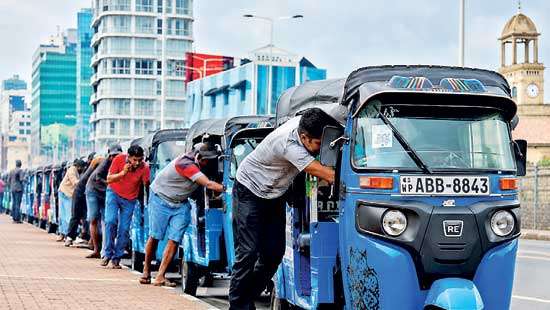
Sri Lanka’s heavy reliance on imports has made it particularly exposed to global price fluctuations. The country imports around 63% of its energy needs and depends on oil for nearly 40% of its energy supply. With global oil prices reaching a four-year high, domestic fuel prices have increased by 33–40%, pushing up transport and electricity costs and contributing to overall inflation, projected at around 5% in April.
The WFP highlighted that rising energy costs are closely linked to food inflation, with higher transport and production expenses driving up prices. Diesel price increases, in particular, are expected to directly impact the cost of transporting food and agricultural inputs.
Fertilizer supply risks are also adding pressure to the agricultural sector. Disruptions in the Strait of Hormuz—which handles about 30% of globally traded fertilizers—pose a significant challenge for Sri Lanka, which imports between 90% and 100% of its fertilizer requirements. Higher prices may lead to reduced usage and lower crop yields, affecting a sector that contributes about 8% to GDP and employs 26% of the workforce.
Global food prices have risen sharply, particularly for staples such as wheat, corn, rice and vegetable oil. Sri Lanka, which imported around USD 2.5 billion worth of food in 2025, remains highly sensitive to such increases. Rising freight and insurance costs are further pushing up retail food prices locally.
The report also warned of risks to remittance inflows, the country’s largest source of foreign exchange. Around 80% of remittances originate from Sri Lankan workers in Gulf countries, and any disruption due to regional instability could reduce household incomes and strain external finances.
Tourism, another key foreign exchange earner, is also showing signs of impact. After contributing 7.8% of GDP in 2023 and an estimated 9.4% in 2024, the sector has recorded a decline in arrivals in 2026, partly due to a 2.5% reduction in global airline capacity linked to the Middle East crisis.
Despite some stabilisation in food inflation since 2024, the report cautioned that the recent 30–35% increase in fuel prices is likely to drive both food and non-food costs higher in the coming months, with vulnerable groups—particularly estate communities—expected to be hardest hit.
The WFP stressed that continued monitoring of household food security will be critical to guide policy responses and mitigate the impact of external shocks on vulnerable populations.