Reply To:
Name - Reply Comment
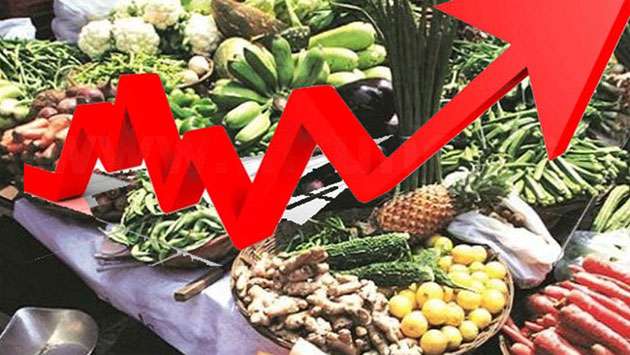
Colombo, April 25 (Daily Mirror) - Fitch Ratings has warned that emerging markets in Asia could face rising cost pressures across agribusiness and food supply chains if a prolonged US-Iran conflict disrupts global fertiliser supplies during the planting season.
The agency said reduced availability and higher fertiliser prices would increase production costs for farmers, discourage application rates, and potentially weaken crop yields, leading to higher food prices later in 2026.
The Gulf region, a key global fertiliser producer due to its natural gas supply, has been affected by higher energy prices and shipping disruptions linked to the conflict. Continued uncertainty, along with export restrictions from key suppliers such as China, is expected to sustain input-cost pressures across Asia.
Nitrogen-based urea prices have already surged by around 50% to about USD 700 per tonne, up from approximately USD 465 before the conflict. If elevated prices persist, farmers may reduce usage or scale back planting, increasing the risk of lower harvests.
Fitch noted that most food production in emerging Asia remains domestically sourced, meaning supply disruptions could significantly affect output. Countries such as the Philippines, Bangladesh and Sri Lanka show mid-teen levels of food import dependence, while Mongolia is in the mid-20s, and the Maldives as high as 78%, largely due to tourism-driven demand.
While near-term food inflation remains contained due to delayed transmission from energy costs, risks are expected to rise if fertiliser shortages continue into 2026. The World Food Programme estimates that prolonged conflict, combined with oil prices above USD 100 per barrel, could push an additional 9.1 million people in Asia into acute food insecurity.
Some countries, including India, are better cushioned due to sufficient fertiliser stockpiles, but others with weaker buffers are more exposed to rising input costs and potential food inflation.
Fitch added that prolonged disruption through the planting cycle could significantly affect yields depending on crop type and fertiliser intensity. It noted studies showing yield losses can be severe without nitrogen use, underscoring the risk of long-term production impacts if shortages persist.
The agency also cautioned that governments may face fiscal pressure if subsidies are introduced to stabilise food and fertiliser prices, while limited support could shift the burden to farmers, businesses, and consumers, potentially increasing social risks.